From Daily Congestion to Trusted Transit
The Gateway Expressway refined one of West Florida’s most traveled highways
According to the 2025 United States Census Bureau, Pinellas County, Florida, is home to approximately 948,563 residents.
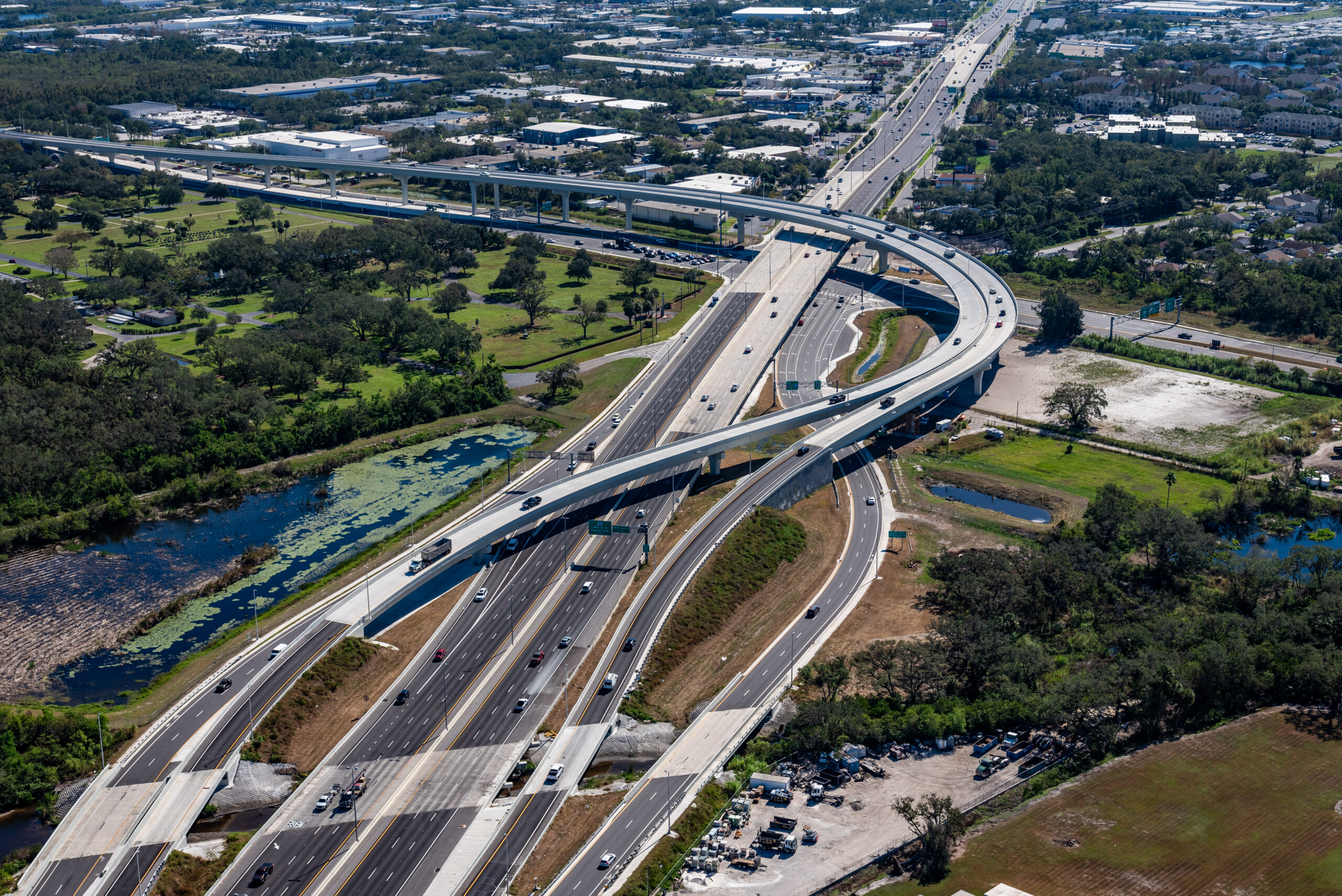
U.S. Route 19 is the main north-south highway through Pinellas County. Located next to a busy strip mall, the highway was notorious for high-volume traffic and frequent collisions. Such conditions made the Florida Department of Transportation (FDOT) realize the growing urgency for traffic improvements.
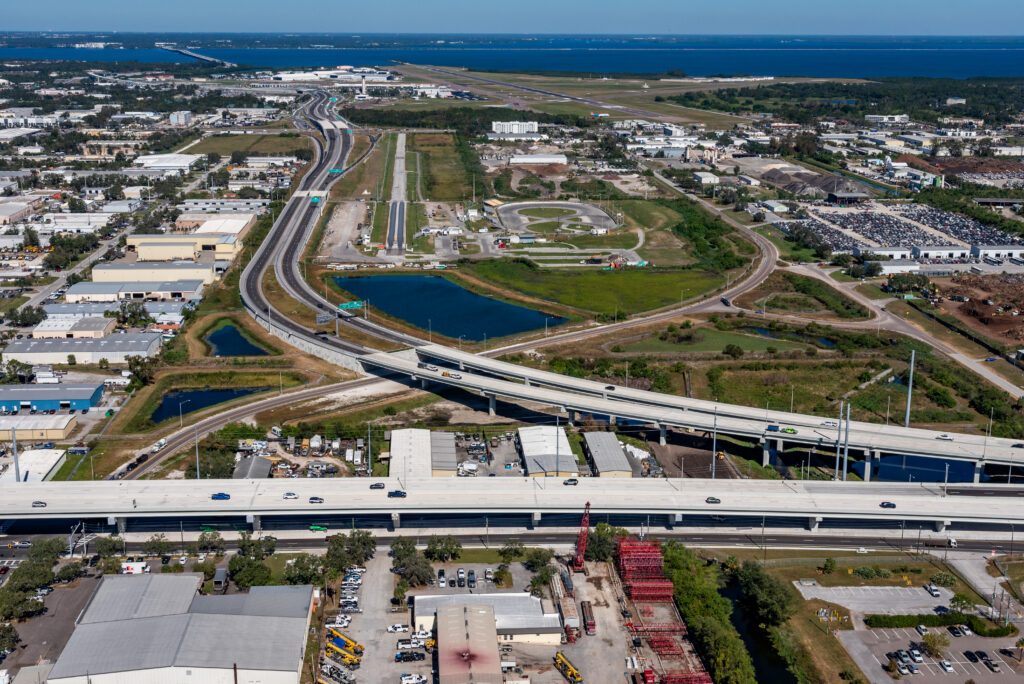
Necessary developments were made with the Gateway Expressway project, which reduced traffic congestion and improved overall mobility by implementing limited-access tolled expressways. These new toll expressways connect U.S. 19 and the Bayside Bridge to the 1-275 and cut transit time by 10 to 15 minutes, which can make all the difference after sitting in bumper-to-bumper traffic.
“The project goals were to improve safety and provide alternative travel options, separating through traffic from local traffic on surface streets, thereby easing congestion on local roads,” said Andrew Williams, P.E., Construction Senior Project Manager at Florida Department of Transportation, District Seven.
Working in an Urban Footprint
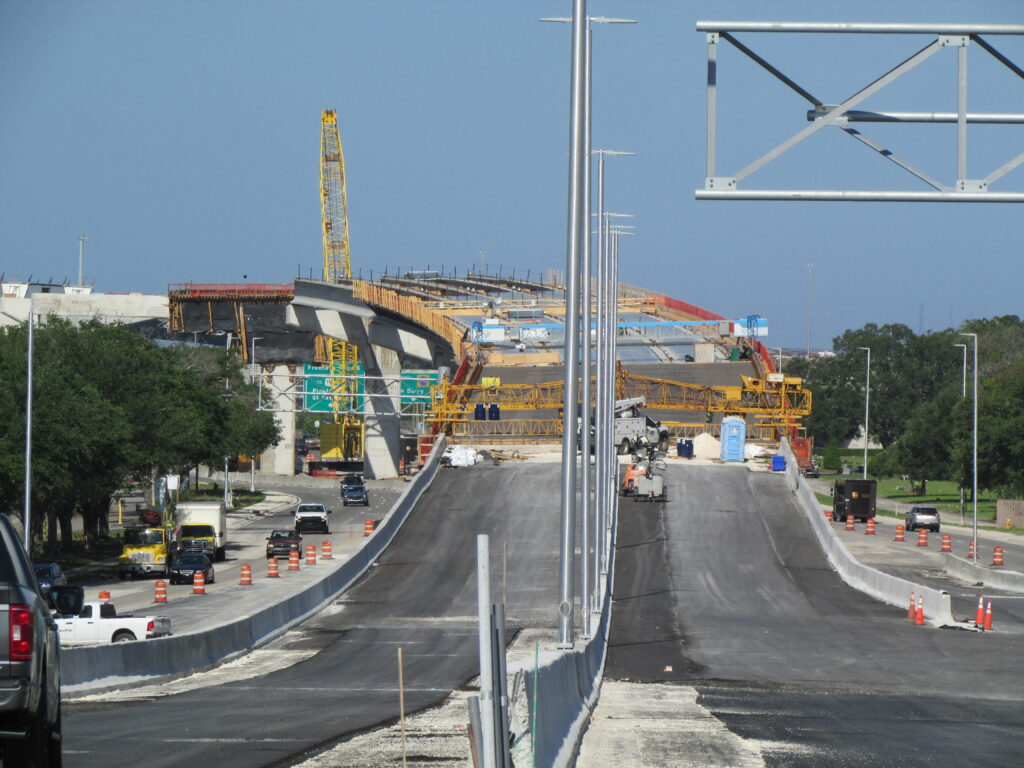
Williams recalled that one of the major challenges of the project was working in a tight, urban environment. This made construction difficult due to limited space for building infrastructure and complicated temporary traffic control plans.
The impact on continuous public traffic had to be minimized. FDOT, BCC Engineering and Archer Western-de Moya Joint Venture viewed each other as equal partners in achieving this goal. Each member understood that they had an extensive role in identifying and resolving issues to advance the Gateway Expressway to completion.
“We had an environment of transparency and inclusiveness that allowed for the contribution of thoughts and ideas,” said Williams. “We met and communicated often which helped everyone know what the goal was and how we intended to get there as a team.”
To reduce long detours, the team created crossovers to maintain access for drivers while ensuring construction could proceed as planned.
To further reduce traveling impact during construction, the team elected to remove the 4th Street Overpass Bridge as one structure in lieu of traditional demolition activities. This decision allowed the bridge to be removed in a single evening detour of both the northbound and southbound I-275 instead of days of detours and lane closures.
High Risk, High Reward
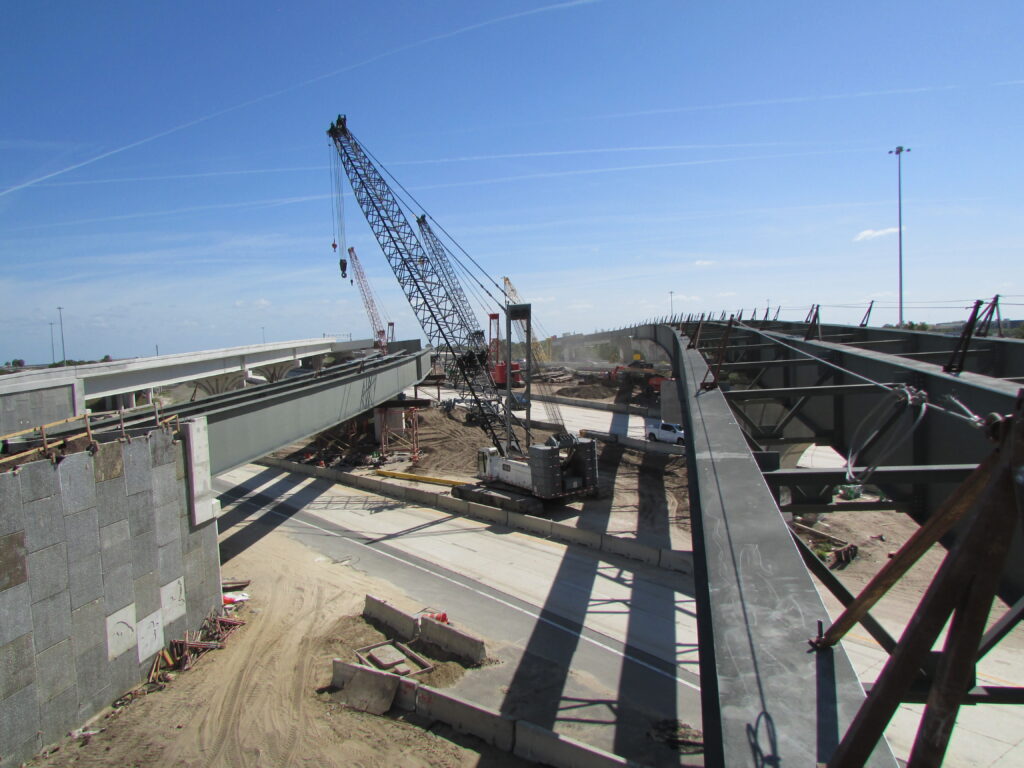
The $622-million project included constructing or widening more than 30 bridges, totaling 4.38 miles of bridge deck, more than 1 million cubic yards of embankment and more than 600,000 square feet of mechanically stabilized earth walls.
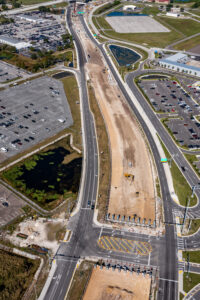 The team was also tasked with minimizing impacts to wetlands and environmentally sensitive areas, such as foraging habitats for wood storks.
The project’s eight-year duration meant building through eight years’ worth of Florida’s intense seasonal changes. The team had to power through major hurricanes and weather events, which added contract time and costs for recovery efforts.
Williams recalled that there were many local municipality stakeholders, including the St. Pete-Clearwater International Airport, which required meticulous construction coordination. FDOT collaborated with Florida’s Turnpike Enterprise to install and commission all tolling facilities along SR 686A, SR 690 and the I-275 express lanes.
The complexity of the project required $50 million in added work by FDOT, but the team persevered, resulting in a monumental success for Pinellas County.
A New Era of Transportation
The Gateway Expressway’s construction began in August 2017. While the project opened to the public in May 2024, final construction components were completed in June 2025.
For drivers commuting through Pinellas County, the project was an overwhelming success. In the first year of operation, from May 2024 to May 2025, approximately 15.4 million vehicles used the Gateway Expressway toll roads SR686A and SR 690. This means an average of 39,000 drivers per day had a reduced transit time. During that same period, approximately 2.6 million vehicles used the new toll express lanes on I-275 that were built alongside the project.
The team behind the Gateway Expressway credits the success of this highly complex project to one simple method: timely communication. If not for the endless collaboration and project updates, Florida’s U.S. Route 19 would not be the improved highway that it is today.
“The new facilities have improved traffic flow and provided users with more reliable travel times through the Gateway region of the county,” said Williams.
Photos courtesy of Aerial Innovations, Stantec, Ozmatic.
By Taylor Moore. She is the Assistant Editor at American Infrastructure and can be reached at taylor@builder.media.
This story is featured in our September/October issue of American Infrastructure. Read the print version here.