Improving the Oldest Interstate
MoDOT’s $2.8 billion investment is in motion to modernize the nation’s oldest interstate
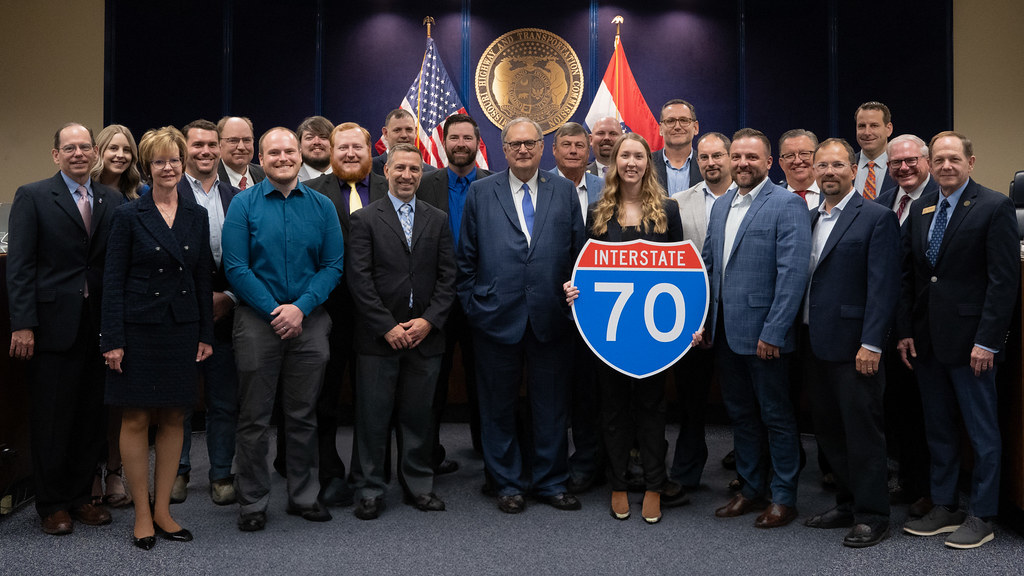
“I-70 hasn’t seen this level of investment in the system since the 1950s,” said Karlee Covington, Improve I-70 Project Director, Missouri Department of Transportation (MoDOT).
Covington’s statement is not an exaggeration.
Missouri-born engineer Rex Marion Whitton served as the president of the American Association of State Highway Officials and represented the Nation’s State highway agencies in congressional testimony for the Federal-Aid Highway Act of 1956. President Dwight D. Eisenhower signed the Act of 1956 on June 29 and launched the Interstate Construction program.
Whitton made sure Missouri’s I-70 was the first contract following the Act of 1956. The first section broke ground on Aug. 13, 1956. 70 years later, MoDOT is making strides to modernize the same roadway.
Interstate Improvements
“Making significant improvements to one of the oldest sections of Interstates in the entire country is a big deal to Missouri and the local communities,” said Covington.
The modern interstate highway is a pinnacle of American life: connecting people, goods and news. Without continued investment, these roads fall into disrepair, unsafe to the general public.
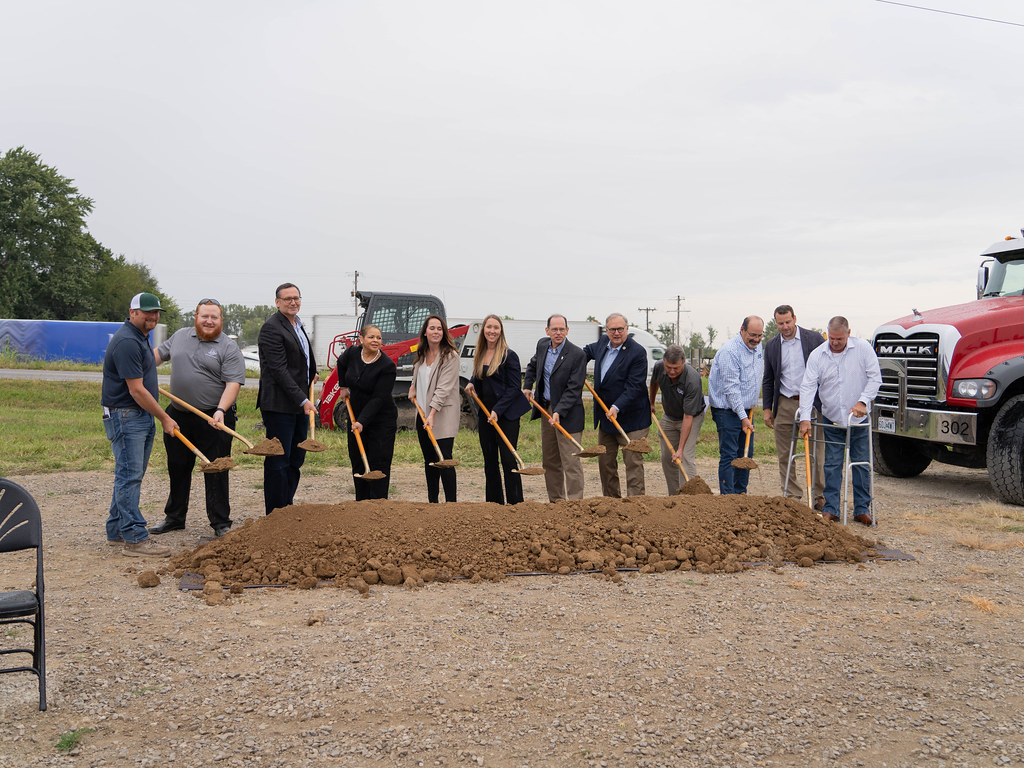
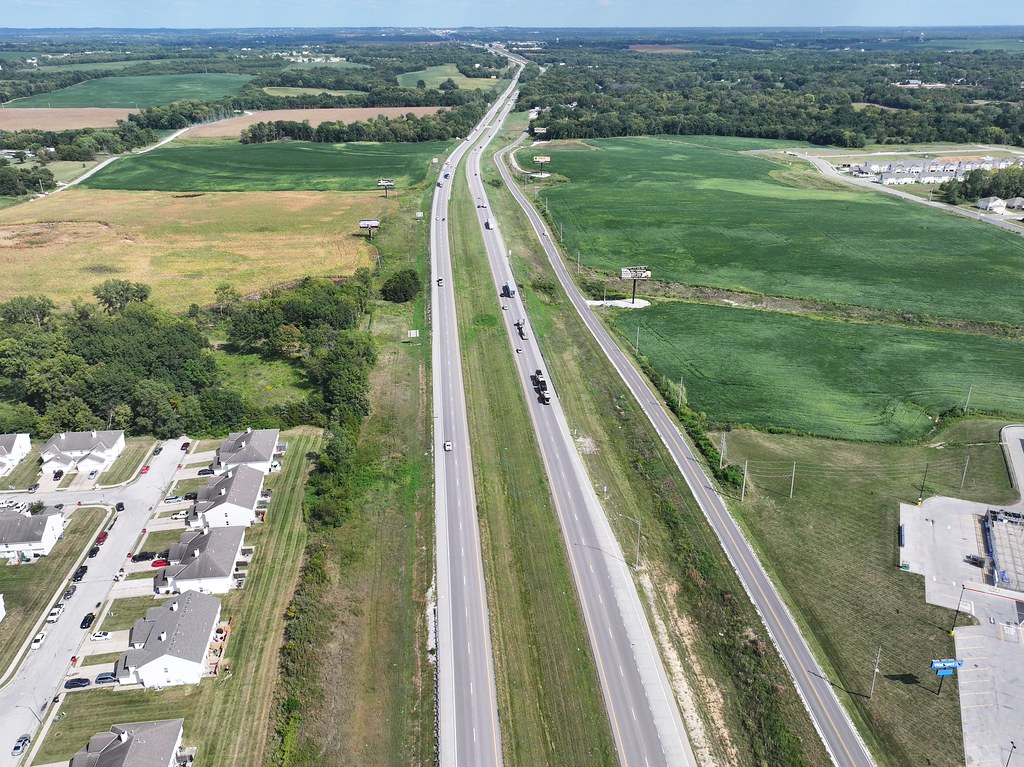
The Improve I-70 Project spans 250 miles across Missouri. Development of the $2.8 billion program began in 2023, broke ground in the summer of 2024 and will be completed in 2030.
Funding for the project came from different avenues, including $92 million from the U.S. Department of Transportation through the INFRA Grant Program.
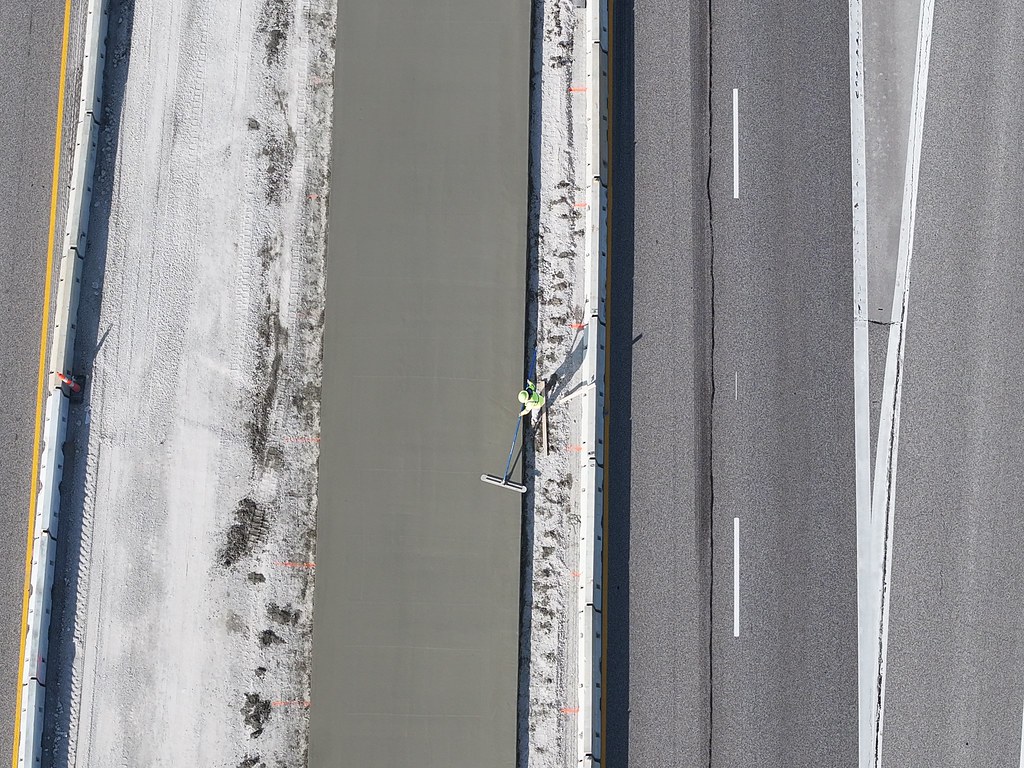
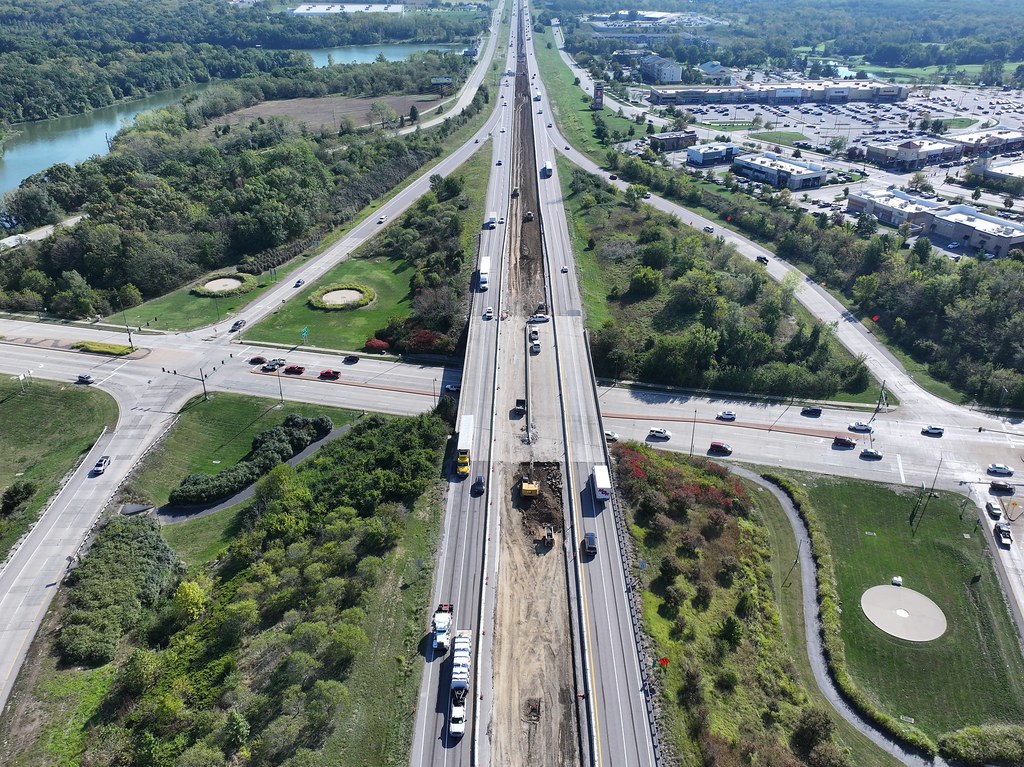
The scope of the project includes an additional third lane for eastbound and westbound traffic, improvements to several interchanges, repaving and the rehabilitation of an estimated 100 bridges.
The project also seeks to enhance traffic incident management, expanded truck parking, intelligent transportation systems, road weather information systems, wildlife crossing safety and pollinator habitat conservation.
The Improve I-70 Project is divided into multiple segments, which allows local contractors and consultants to provide better value during construction.
Lefholz Bridge
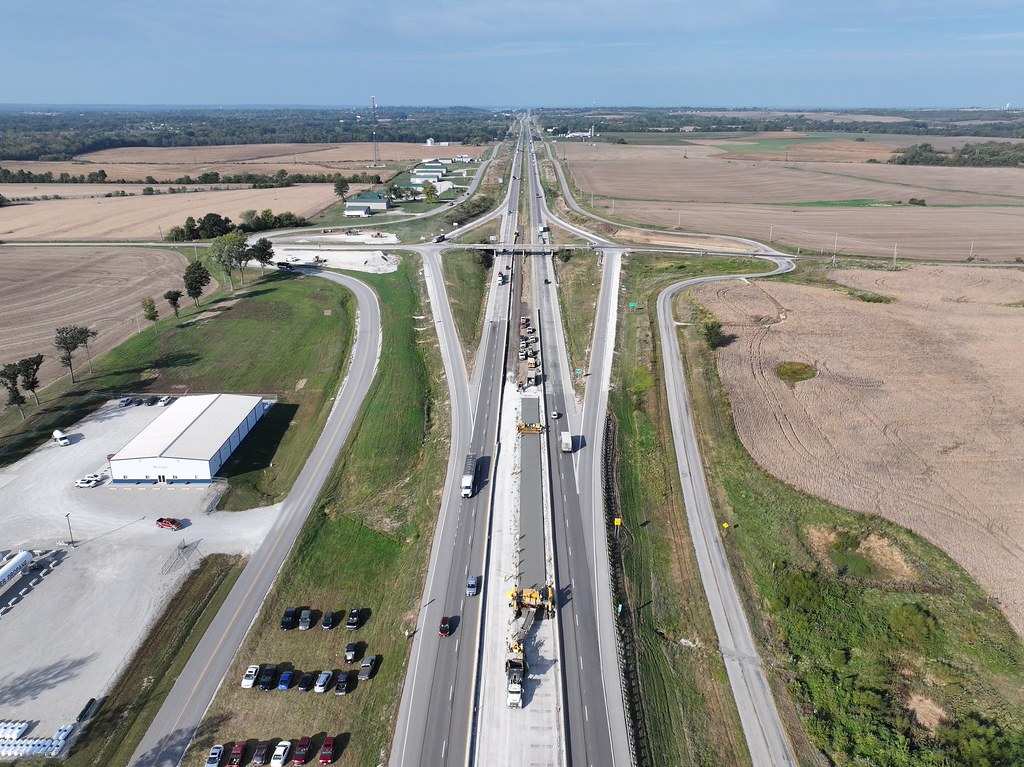
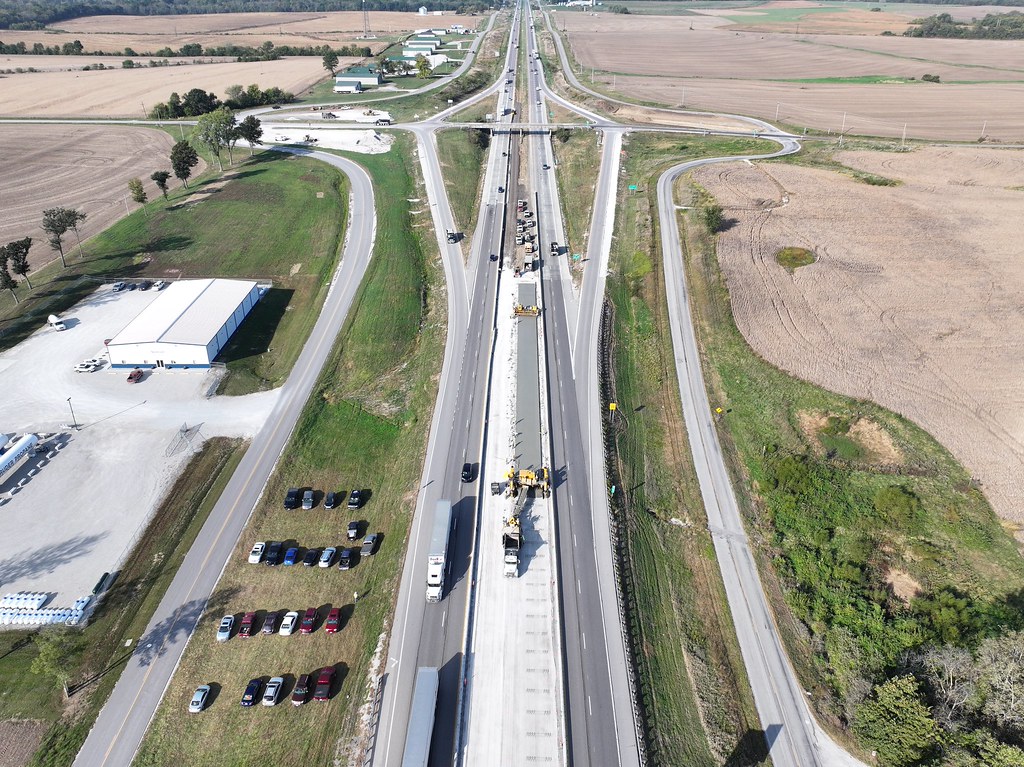
The completion of the Lefholz Bridge represents a segment of the Blue Springs to Odessa project, an estimated investment of $350 million.
Originally constructed in 1963, the Lefholz Bridge reached the end of its design life and needed constant maintenance to remain safe for travelers.
“With the bridge not in the best condition, having this be one of the first locations on the project was important,” said Covington.
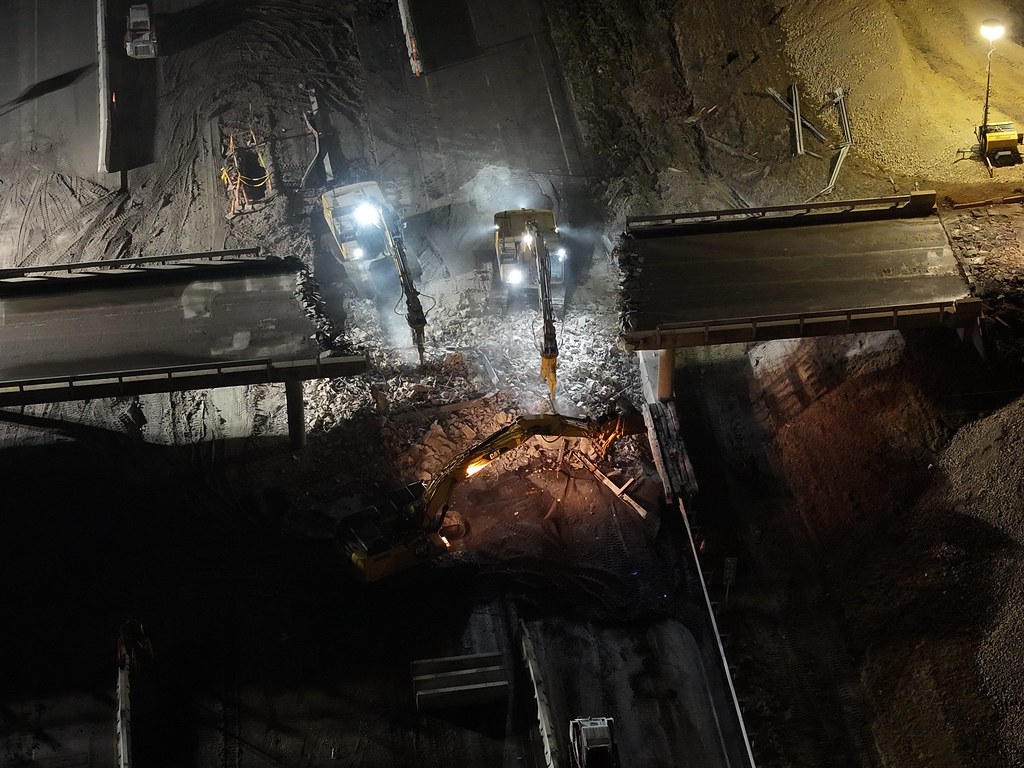
The original Lefholz Bridge was demolished on Feb. 14, 2026. Utilizing a design-build model allowed MoDOT to deliver cost-effective innovation.
With the original bridge spanning 24 feet wide and 12-foot lanes in each direction, the needs of the community far outweighed its ability.
Without many detour routes in the area, the MoDOT team first faced the challenge of continuing traffic during the demolition process. As a voided slab bridge, removing one section at a time was virtually impossible.
Full closure of the overpass was necessary despite the impact for commuters around the area. Early and frequent communication with the local community was essential to limit disruption and surprises.
However, the contractor was able to remove the existing bridge with only a 24-hour shutdown of the interstate. During construction of the new overpass, much of the work was done overnight and during off-peak hours. This allowed traffic to flow in both directions of I-70 while the new bridge was constructed.
“Design details such as improving the vertical clearance between the driving lanes of I-70 and the overpass are just one example of how the new bridge has been modernized with the design,” said Covington.
One Piece of the Puzzle
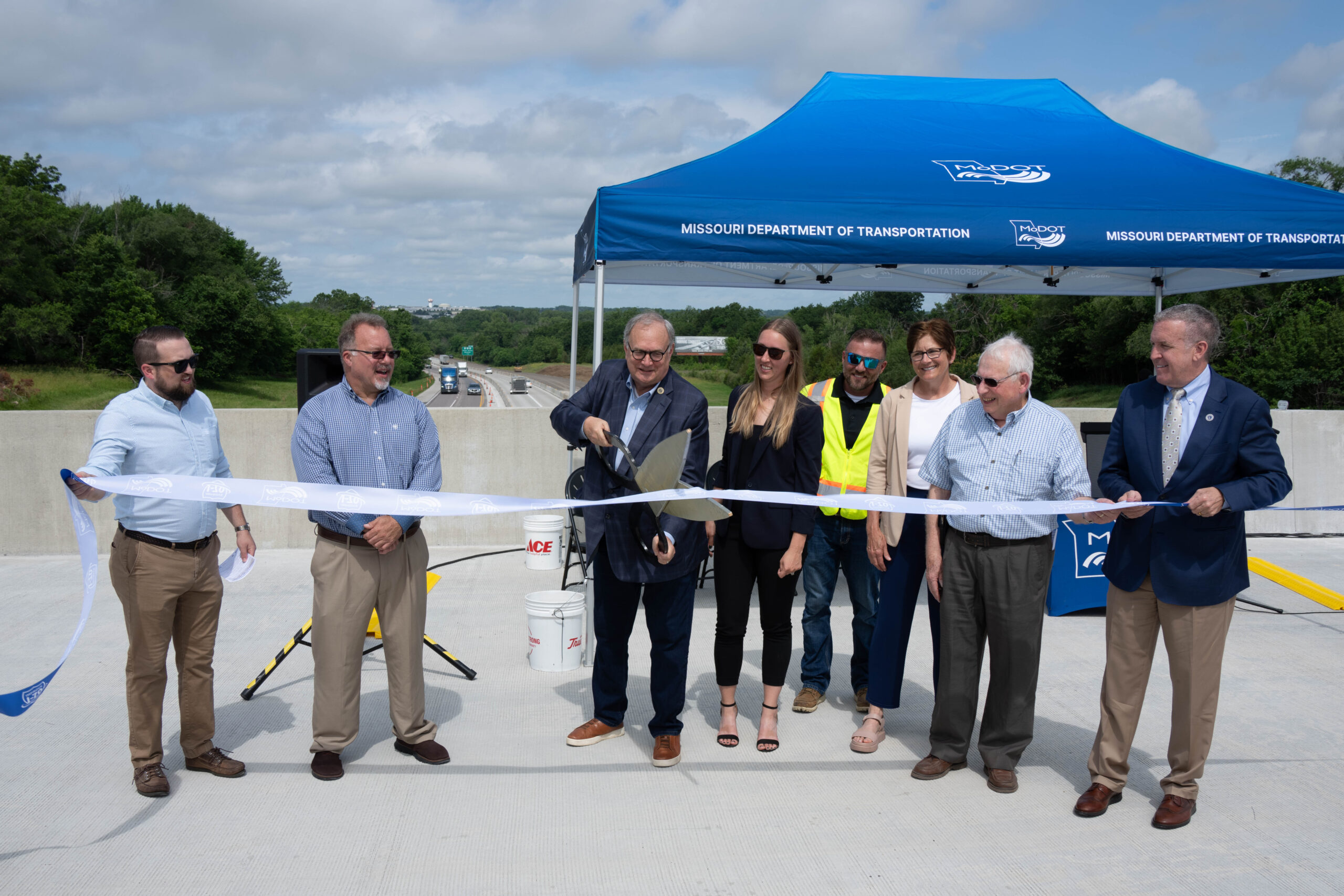
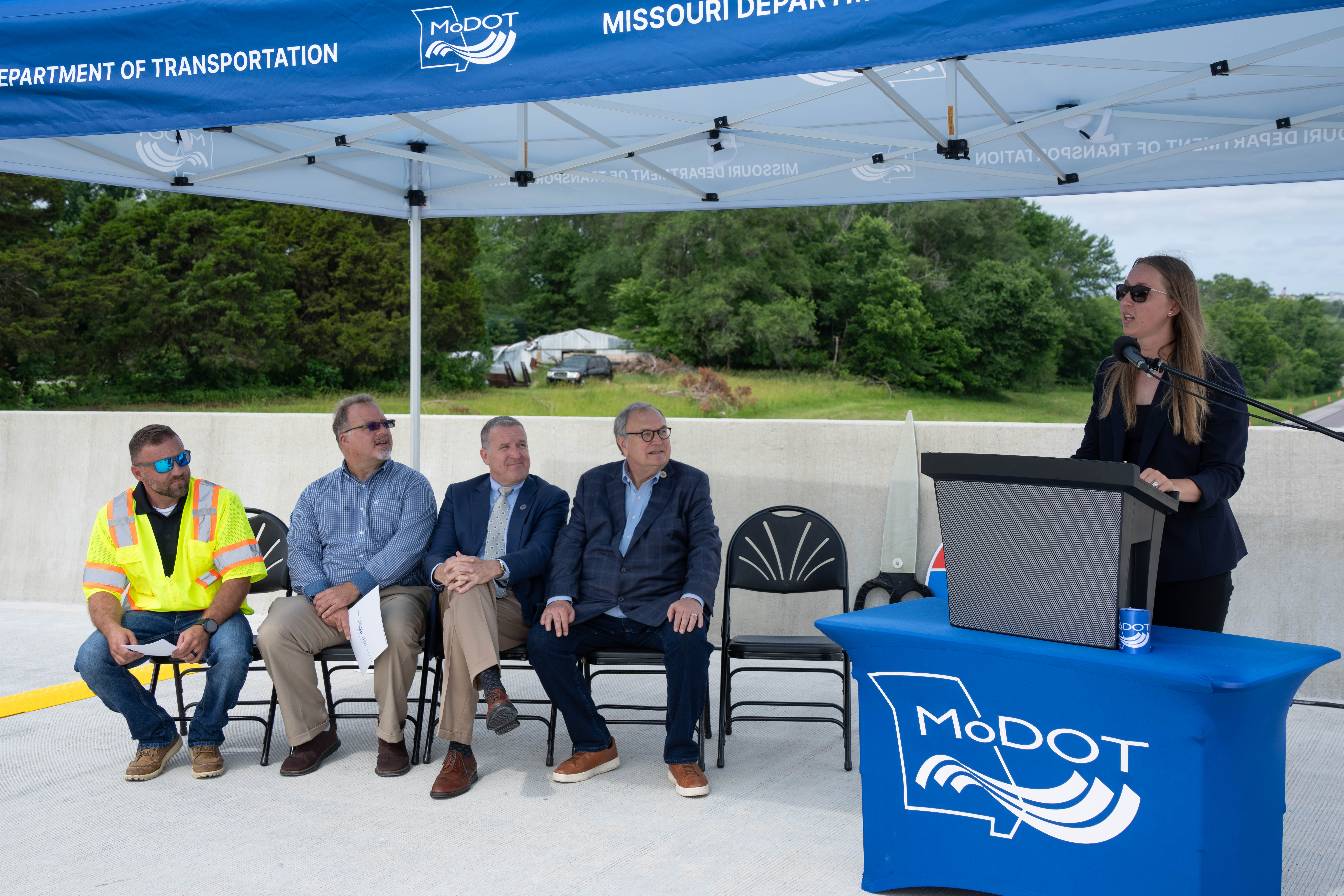
The new Lefholz Bridge opened to traffic on June 8, 2026.
Constructed in just four months, the new bridge is 52 feet wide, offers improved vertical clearance and is built to serve the community safely and reliably for decades to come.
As only one section of a major reconstruction project, the quick construction is not an easy feat. Covington pointed out that many projects spend months planning, reviewing contracts and moving staffing into place.
For the Improve I-70 Project, speed is balanced by supportive teams.
“Across our 200-mile project, there is not a single community that is excited about work zone impacts,” said Covington. “However, the long-term benefits of the work being done will be a game changer for the area and region.”
By Sofia Feeney. She is the Editor at American Infrastructure and can be reached at sofia@builder.media.
This story is featured in our September/October issue of American Infrastructure. Read the print version here.