Accelerating Transportation Project Delivery
Updates on UDOT’s 2100 North freeway connection project
The Utah Department of Transportation (UDOT) broke ground on the 2100 North freeway connection project in Lehi in March 2026, paving the way for a faster route for people traveling across northwest Utah County.
The project, part of the larger Northwest Utah County Program, will build a new 2.8-mile-long freeway-to-freeway and multi-use path improvements between Interstate 15 and Mountain View Corridor. This $621 million investment will be the first east-west freeway in Utah County, helping make trips faster, smoother and safer for everyone who drives, bikes and walks through the area.
A new interchange will be built at I-15 on the eastern end of the project, while the new freeway will give drivers a nonstop connection to the recently completed portion of Mountain View Corridor on the western end.
2100 North’s frontage roads were built with a previous phase of Mountain View Corridor construction, allowing traffic to continue moving while construction of the freeway lanes takes place in the median. New slip ramps will be built to connect the freeway to the existing frontage roads for local access.
Some of the key features to be built with this project include nearly three miles of new freeway with slip ramp connections to the existing 2100 North frontage road system. Eleven new roadway bridges, including: direct freeway-to-freeway ramps at I-15, two service interchanges at 2300 West and 3600 West provide local freeway access to residents and businesses, two non-interchange grade-separated crossings at Ashton Blvd and Waterbury Dr to enhance local traffic circulation and connectivity and a river crossing across the Jordan River.
Additionally, there will be two new pedestrian bridges, with one over the Jordan River connecting the Jordan River Trail to a future Lehi City park and one over the new freeway and existing frontage roads parallel to the existing railroad crossing for the City’s future Rail Trail System. There will also be nearly 2 miles of shared-use paths to improve access for pedestrians and cyclists.
Expected to wrap up in late 2028, the 2100 North project is using an accelerated project delivery process known as “design-build.” UDOT has been delivering design-build projects for over 20 years, saving time and budget by moving construction along in one area where design is approved while design in another area continues.
Traffic engineers estimate the new road will save east-west commuters approximately 12 minutes in each direction during peak travel times upon completion, around 100 hours each year for the average commuter.
“This project strengthens how communities connect to the rest of Utah,” said UDOT Region Director Rob Clayton. “By linking Mountain View Corridor directly to I-15, we’re making it easier for residents to travel across the region. Whether that’s commuting to work, visiting family or heading out to enjoy everything the beautiful state of Utah has to offer.”
This connection between Mountain View Corridor and I-15 will serve as a critical link in the region’s transportation network. 2100 North is expected to reduce
pressure on nearby routes such as Redwood Road, one of the most congested corridors in northwest Utah County, along with Lehi’s Main Street. Key grade-separated crossings on 2100 North will also alleviate congestion on several local roads in Lehi, such as 3600 West and 2300 West.
2100 North will primarily serve Lehi, Saratoga Springs and Eagle Mountain, which have a combined population of over 200,000 and constantly rank among the fastest-growing cities in the state.
The 2100 North connection is one of several projects included in the state’s nearly $1.4 billion investment to improve transportation in northwest Utah County. The Northwest Utah County Program includes projects like the state’s second Flex Lanes system on Pioneer Crossing and upcoming improvements on Cory B. Wride Highway (SR-73) and Mountain View Corridor that will, along with 2100 North, improve connectivity and travel times across the region.
This program is one key step in delivering on UDOT’s mission of enhancing quality of life through transportation. Building out the roads and trails in this area will help us “Keep Utah Moving,” providing a safe, reliable and accessible transportation system allowing Northwest Utah County travelers to get where they want to go, how they want to get there.
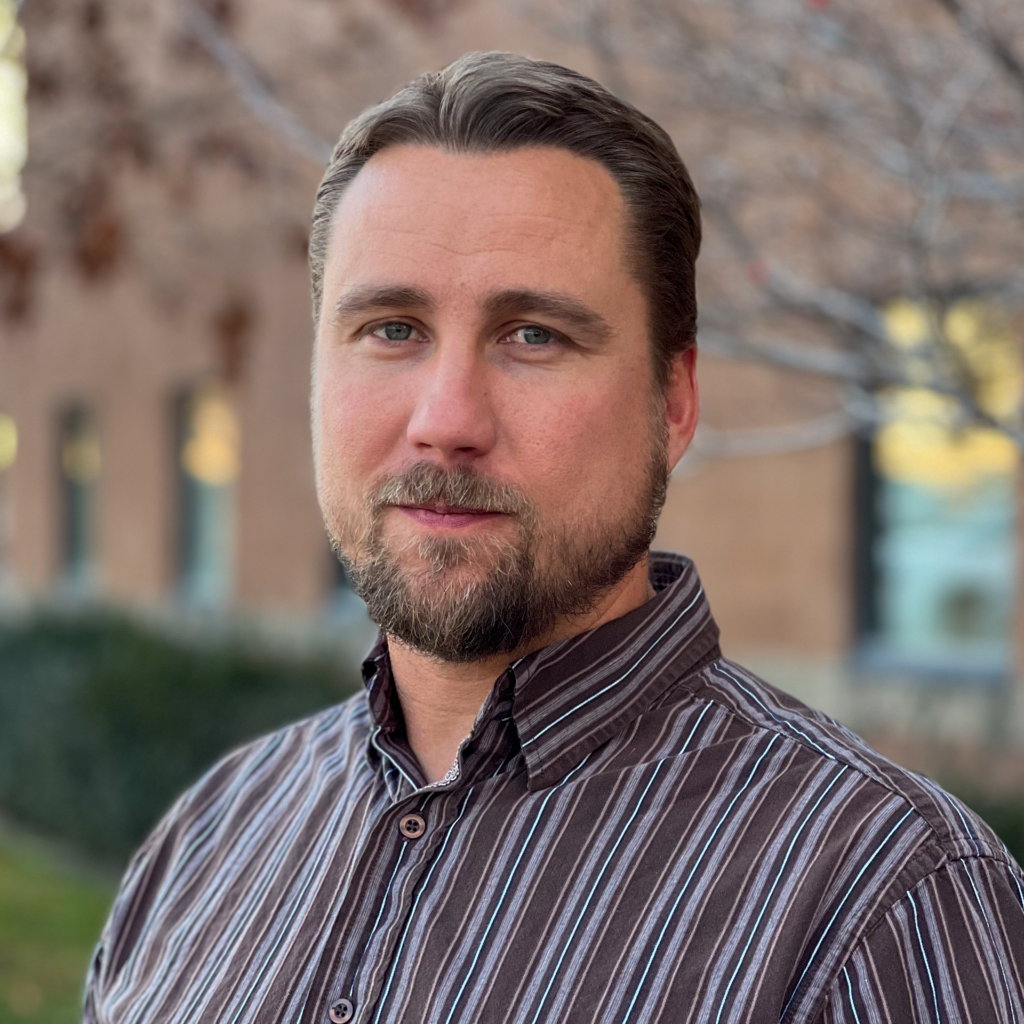 By Andrew Jordan. He is UDOT’s Northwest Utah County Program Director. He can be reached at ajordan@utah.gov
This column is featured in the September/October issue of American Infrastructure. Read the print version here.