Austin Water’s 100-Year Plan
Making a generational investment to serve a growing city and enhance environmental protection
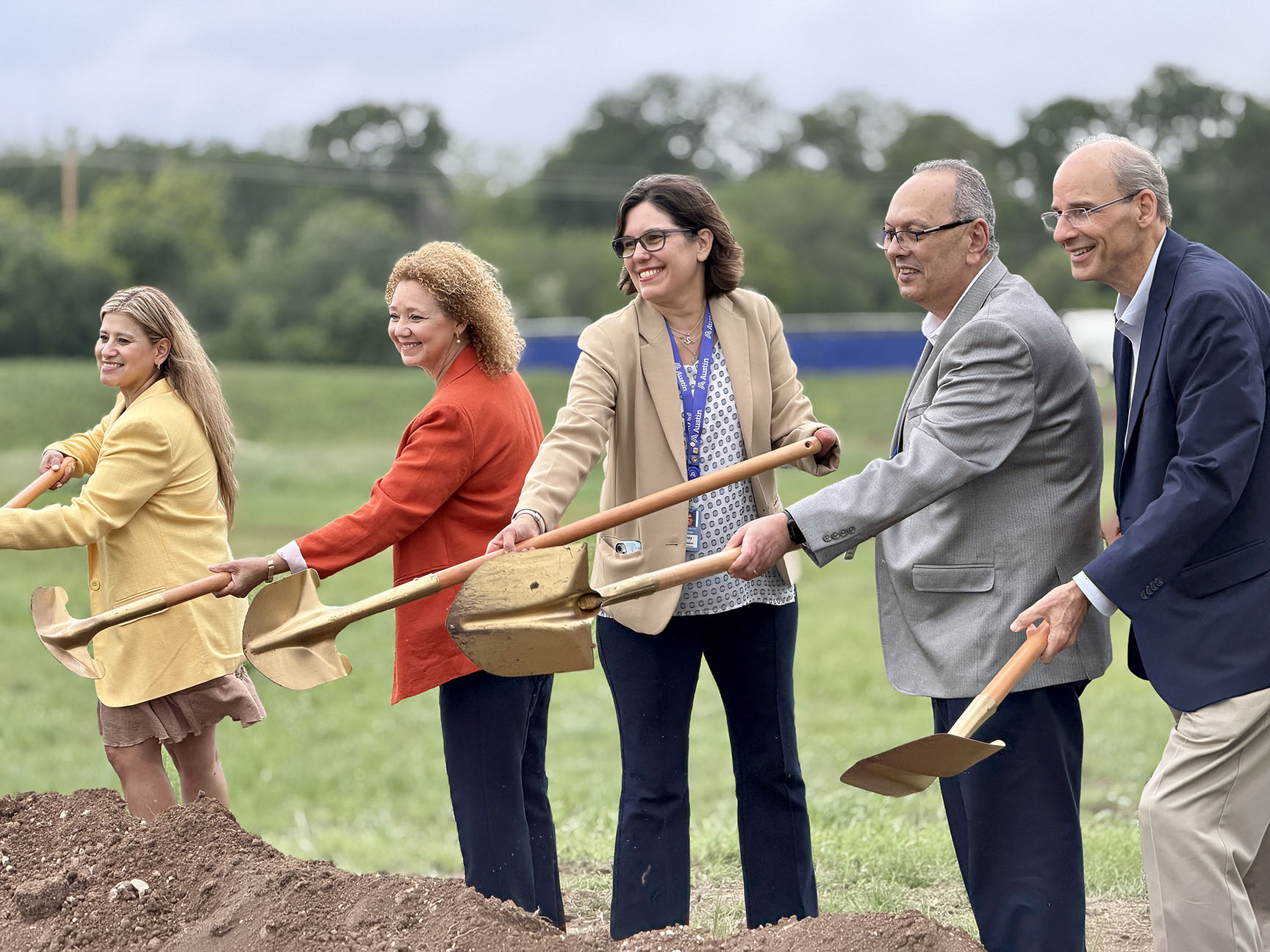
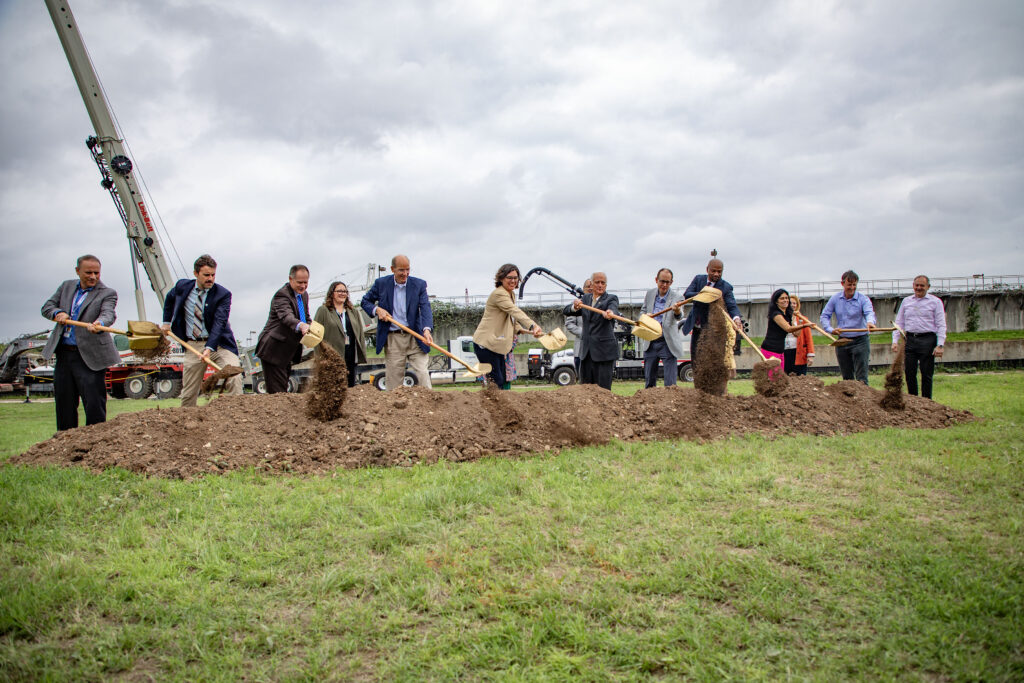
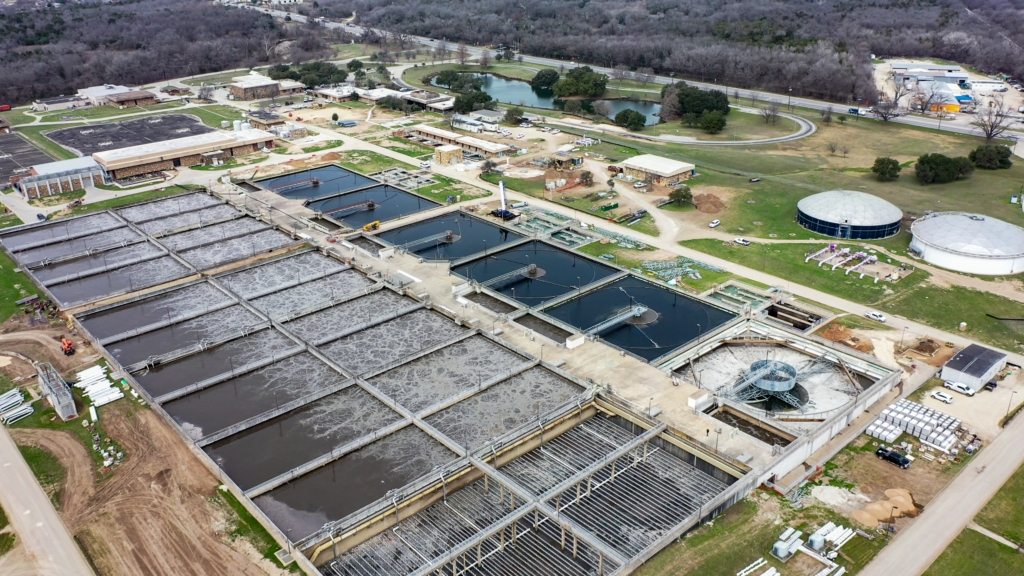
This spring, Austin Water broke ground on the $1.5 billion expansion and modernization of our Walnut Creek Wastewater Treatment Plant. It’s a six-year construction project, the largest single infrastructure investment we’ve made in our history and every part of the plant will be expanded, enhanced or rebuilt. It’s the perfect illustration of this moment in America’s infrastructure history: building on the investments of the past to prepare for the future.
When we’re done in 2032, Walnut Creek will be a truly modern facility prepared for Austin’s famously booming population. Along with upgrading our total capacity from 75 to 100 million gallons per day, we’re integrating advanced nutrient removal into our treatment process to protect the Colorado River downstream of Austin.
When the expansion is complete, the plant will discharge less than half the amount of nitrogen and phosphorous that it discharges today.
We’re replacing chlorine gas disinfection with an ultraviolet light process, making the plant safer for our workers and the community. We’re also constructing a flood wall around the facility’s perimeter to harden the plant against future extreme weather events. Throughout this construction project that will touch every area of the site, the plant will remain fully operational, providing continuous service to our customers and meeting all regulatory requirements.
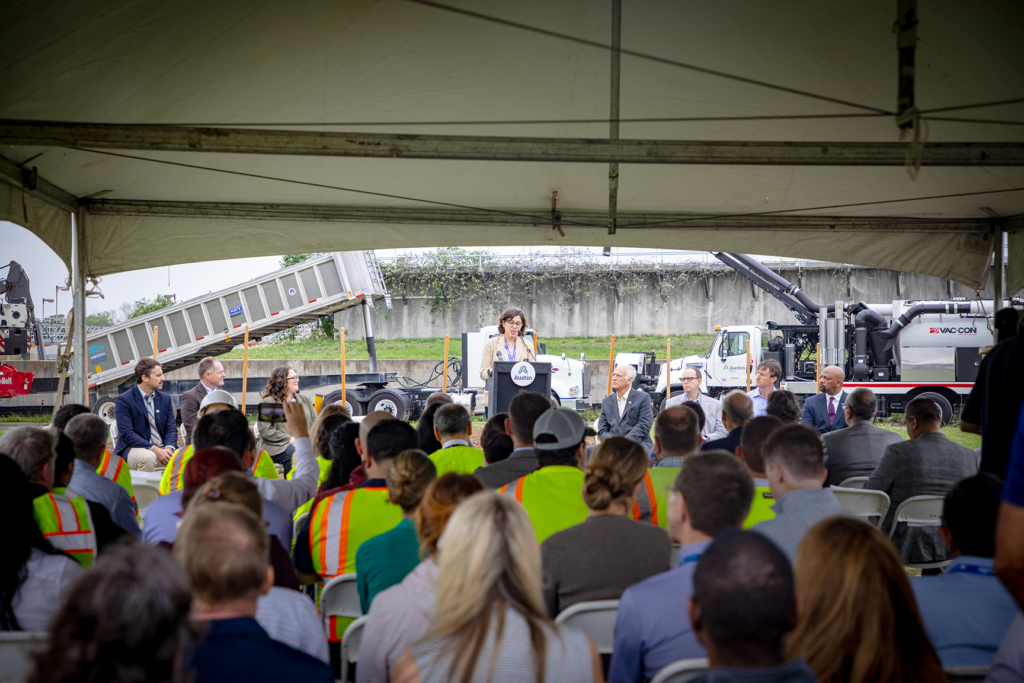
That’s not an unusual constraint in this industry. In many ways, that balancing act, meeting the needs of the present while preparing for the future, is the defining condition of water utility work. It’s also a thread connecting us to our country’s history as we mark 250 years of American infrastructure this July. It strikes me that the engineering challenges we face upgrading Walnut Creek while keeping it running would be recognizable to Austin Water’s workforce at any point during our 124-year history; the technology we use changes, but the commitment to reliability every day stays the same.
That commitment to reliability requires planning far enough ahead so that the next generation inherits a system capable of adapting to the challenges of the future.
Water utilities are playing the long game and we understand that residential development, industry and the climate of the next 250 years will look different than the first 250 years.
Early in my career, I realized that our industry takes pride in keeping civilization running smoothly behind the scenes. Our customers didn’t think about where the water flowing from their tap came from or where the water running down the drain went. But projects like Walnut Creek remind us that these investments are foundational to our way of life. At Austin Water, we’re engaging every day with our stakeholders: customers, community groups, local industry and elected officials.
Bold leadership is required to prepare for the future. That would look familiar to our predecessors, too.
Generational leadership doesn’t always mean headline-grabbing construction costs.
Austin banned lead service lines on the public side in 1954 and on the private side in 1967. The vision of that generation of City leaders is a gift to our leaders today. Our public water system is free of lead pipes, so we are not tasked with replacing them. For our part, we invest year over year in renewing neighborhood water and wastewater mains and services to reduce water loss and improve service levels for the next generation of leaders.
The water and wastewater systems built by each generation are statements of confidence in the future of their communities. Austin Water’s literal statement of confidence is Water Forward, our 100-year integrated water resource plan, which maps the strategies Austin will need to adapt to growth, drought and climate change through the next century.
These strategies ground today’s infrastructure decisions in rigorous long-range analysis of future conditions. The Walnut Creek expansion is one expression of our planning.
So is aquifer storage and recovery, brackish groundwater desalination, expansion of our reclaimed water system, advanced metering infrastructure and the conservation programs that ask every customer to participate in protecting our natural resources.
As America marks 250 years of infrastructure built by the generations before us, Austin Water is planning for the next century. Our mission is to provide water for people and care for the environment, because that is what it means to take care of a city, not just for the people here today, but for the million and a half who will call Austin home by 2040 and the generations of Austin Water leaders who will inherit the systems we leave behind.

 Photos courtesy of The City of Austin
By Shay Ralls Roalson, P.E. She is the Water Director for the City of Austin, Texas. She can be reached at shay.roalson@austintexas.gov
This column is featured in the September/October issue of American Infrastructure. Read the print version here.