From Flush to Fuel
The idea for Raleigh’s Bioenergy Recovery project began over a decade ago. Erika L. Bailey, P.E., the Assistant Director of Raleigh Water has worked towards it nearly the entirety of her tenure with the city.
On the project’s homepage, Raleigh Water cheekily asks, “Have you ever wondered what happens after you flush the toilet?” The answer for the residents of Raleigh is inside their buses.
Sustainable Start
In 2015, the City updated its biosolids master plan to prioritize sustainable solutions for managing wastewater solids, producing reusable biosolids and investing in green energy. Raleigh Water and its engineers considered many options for the biogas reuse, ultimately choosing thermal hydrolysis process (THP) and anaerobic digestion to make renewable natural gas from wastewater byproducts.
After both Raleigh Water and the City’s Transportation Department confirmed the feasibility of the project, it was put in motion. This project began with early construction in 2019. The same year, Raleigh set the goal to reduce community-wide greenhouse gas emissions by 80% by 2050.
“This project started as an idea for a biosolids improvement project that turned into a much broader win-win solution for the City to help to meet its sustainability goals,” said Erika L. Bailey, P.E., Assistant Director of Raleigh Water. The Bioenergy Recovery Project helps the city achieve this goal by improving wastewater solids management and producing renewable and high-quality biosolids.
Elaborate Engineering
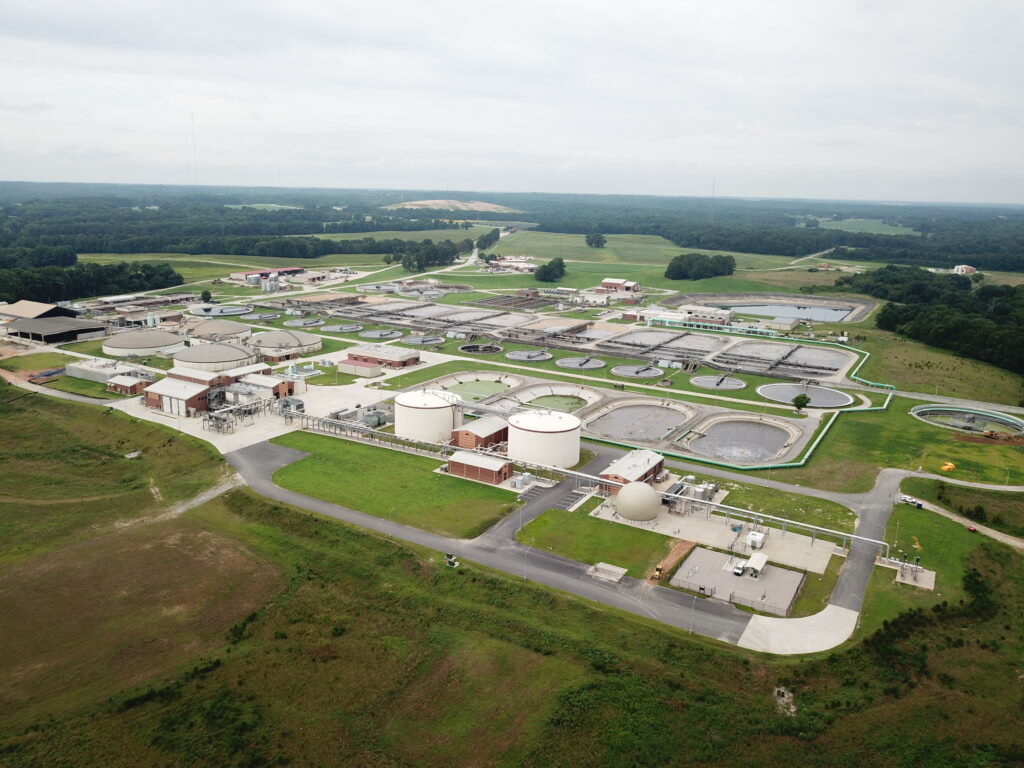
The process of turning waste into a source of fuel is as complex as it sounds; a challenge welcomed by the team at Raleigh. The project took place at the Neuse River Resource Recovery Facility, which received upgraded solids handling, a new gravity belt thickener, solids screening, centrifuge pre-dewatering, thermal hydrolysis pretreatment, anaerobic digesters, gas treatment for renewable natural gas and final dewatering belt filter presses.
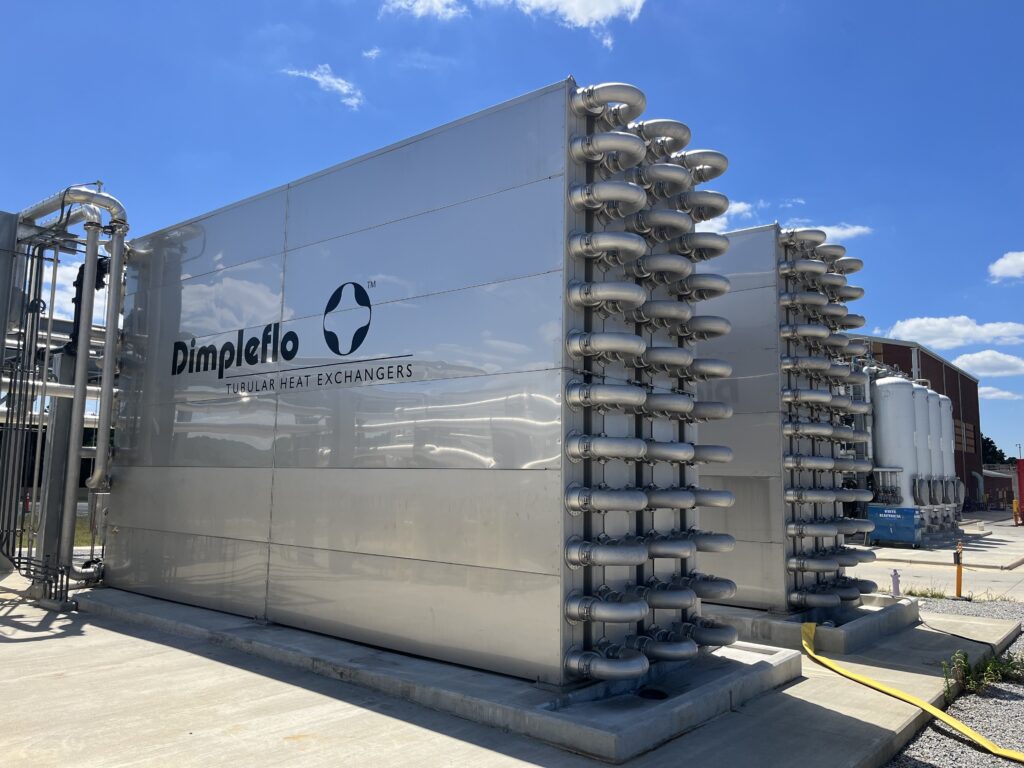
Through THP and anaerobic digestion, biosolids are turned into renewable natural gas, which then fuels the City’s fleet of buses. THP uses high pressure and temperature to pasteurize solids, making sludge easier to digest and feed into anaerobic digesters. This results in more efficient gas production, greater reduction of solids and less volume for disposal. THP also produces Class A biosolids suitable for reuse in land applications such as soil conditioners.
Construction Coordination
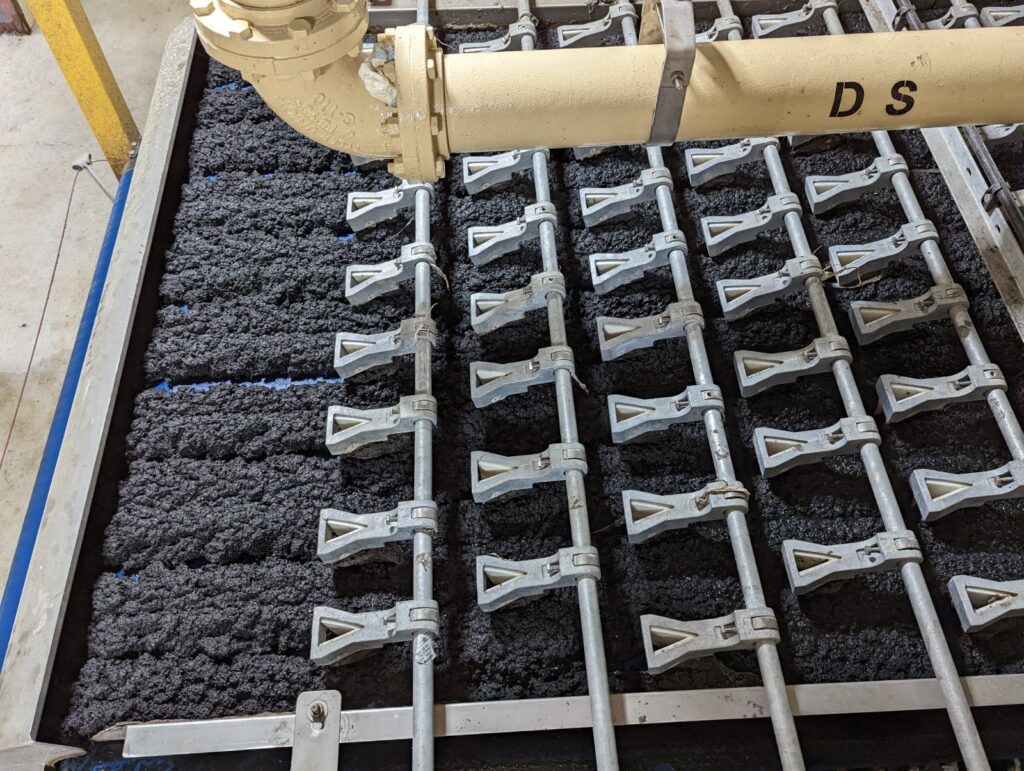
The sustainability of the project extended to the construction. While constructing for the solids handling process at the Neuse River Resource Recovery Facility, the team prioritized the use of existing buildings, equipment and infrastructure. The use of current facilities added a design challenge and careful planning while the facility still ran, yet it provided the team to excel in coordination.
“The Bioenergy Recovery Project represents the largest construction effort ever undertaken at the Neuse River Resource Recovery Facility,” said Bailey. “Managing such a vast project demanded exceptional coordination.”
Bailey recalls the cohesive construction timeline that allowed treatment systems to be taken offline for a period to receive upgrades. For example, during upgrades on the final dewatering building, the team integrated a temporary dewatering and cake loading setup. This allowed for the relocation of existing cake silos, to be relocated and adapted for the updated handling process.
 Prime Payoff
While the solids handling upgrades cost $183 million and with the addition of the sidestream treatment system, total construction expenses reached $205 million. However, as the project is a net energy producer it allows for a form of economic sustainability. The generation of renewable natural gas fuels an estimated 70 buses daily and the city gains revenue from selling renewable energy credits.
Additionally, this led to an estimated 11% reduction in municipal greenhouse gas emissions compared to before the project began. The project also cuts solid volume by over half, effectively reducing truck hauling and overhead costs while benefiting the environment.
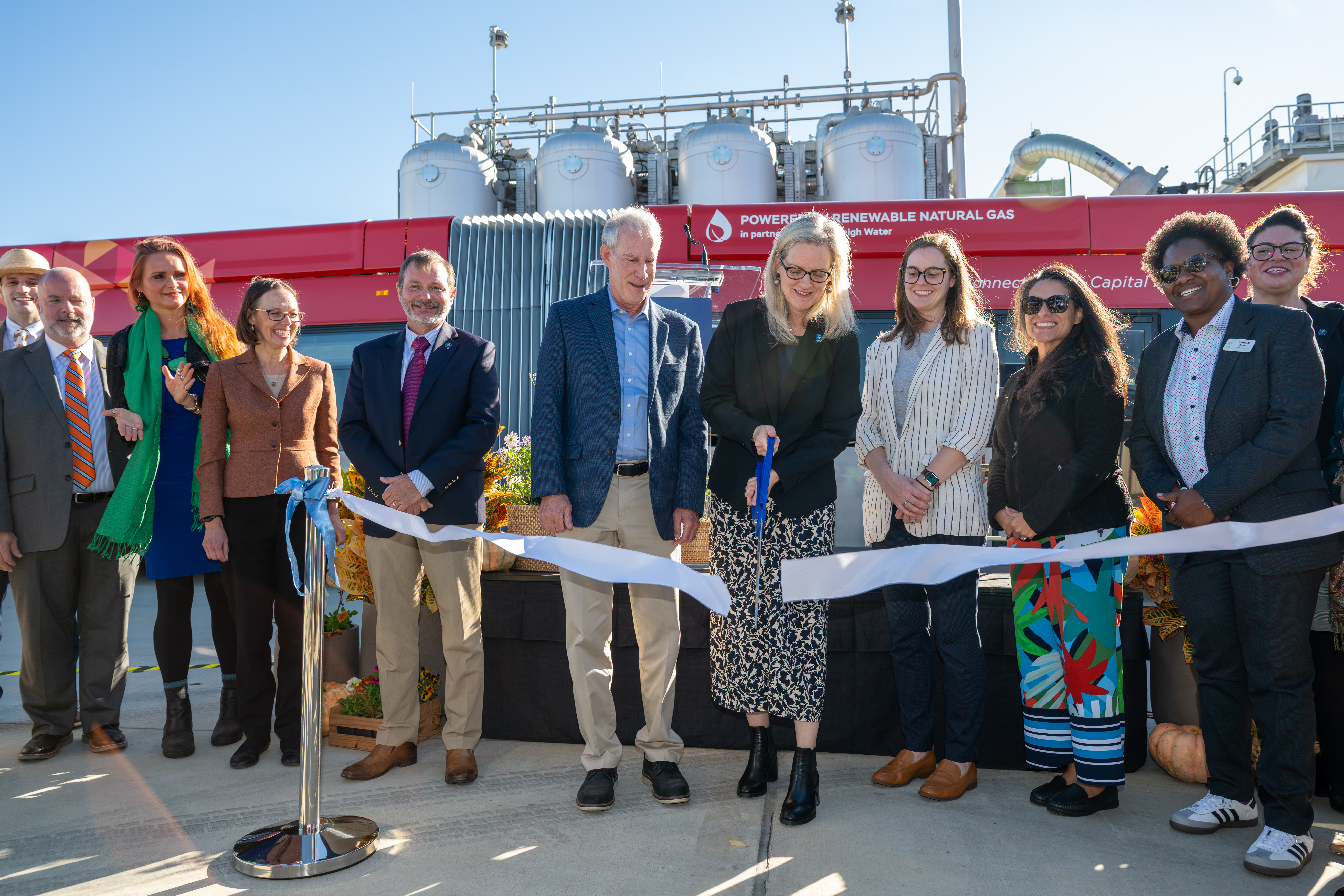
In 2019, Bioenergy Recovery Project was named an Exceptional Project Honoree by the U.S. Environmental Protection Agency’s Clean Water State Revolving Fund. On Oct. 15, 2025, the project was officially open with a ribbon cutting ceremony at the Neuse River Resource Recovery Facility.
“Completing the Bioenergy Recovery Project marks a defining moment for Raleigh Water,” said Bailey. “We’re proud of what this system makes possible today and excited about the innovations it paves the way for tomorrow.”
With this project construction completed, the real work begins. Raleigh Water looks forward to leveraging data and performance results from the new system to inform long-term planning
for resource recovery and using this project as a case study to inspire other sustainable starts.
“In many ways, the completion of this project isn’t the finish line; it’s the launchpad,” said Bailey. “The City is enthusiastic about what this advanced system unlocks and we’re already looking toward the
next opportunities to expand Raleigh’s leadership in sustainable utility operations.”
By Sofia Feeney. She is the Editor of American Infrastructure and can be reached at sofia@builder.media.
This is featured in the May/June issue of American Infrastructure. Read the print version here.