Upgrading Century-Old Water Infrastructure
For over a century, the City of San Luis Obispo’s Water Resource Recovery Facility (WRRF) played a vital role in protecting public health, promoting sustainability and preserving the local environment. The WRRF serves more than 47,000 residents and treats an average of 5 million gallons of wastewater daily.
As one of the first wastewater treatment plants in California, the WRRF has continually evolved to meet the needs of a growing community. The most recent evolution to the facility was the SLOWater Plus Upgrade to meet growing environmental standards and to address the plant’s aging infrastructure.
In 2014, San Luis Obispo’s existing facility was no longer capable of meeting the increased water quality objectives outlined by the California State Water Resources Control Board. To remedy this, the SLOWater Plus Upgrade replaced outdated components with modern technology, designed to meet all regulatory requirements and reduce industrial odors.
“The project has delivered a flexible and adaptable system for future generations and community needs,” said Patrick McGrath, WRRF Supervisor.
The upgrade has proven successful, with the project receiving the Outstanding Water/Wastewater Treatment Project 2025 Award from the American Society of Civil Engineers.
An Environmentally Conscious Upgrade
In 1920, one of California’s first sewage treatment plants was constructed by San Luis Obispo. The original facility featured a single clarifier and an open digester. Sludge from the clarifier was pumped into the digester, then the digested sludge and effluent were dried and spread on nearby fields. This early system marked the beginning of the city’s commitment to responsible wastewater management.
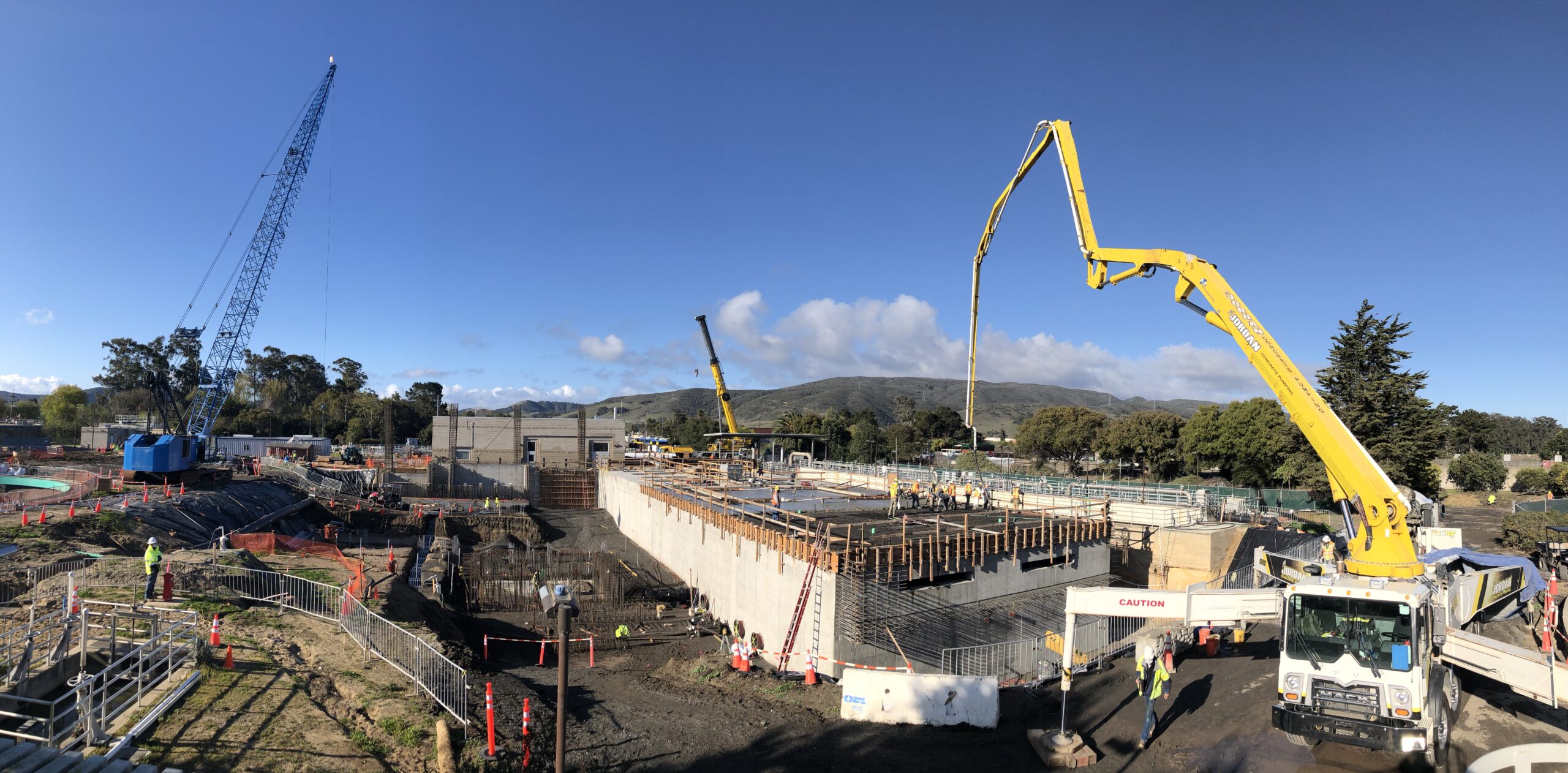
Updating over a century-old facility was a decade-long process. The upgrade was originally pitched in 2015, with construction beginning in 2019 and finishing in 2025. It was the largest capital improvement project in the city’s history.
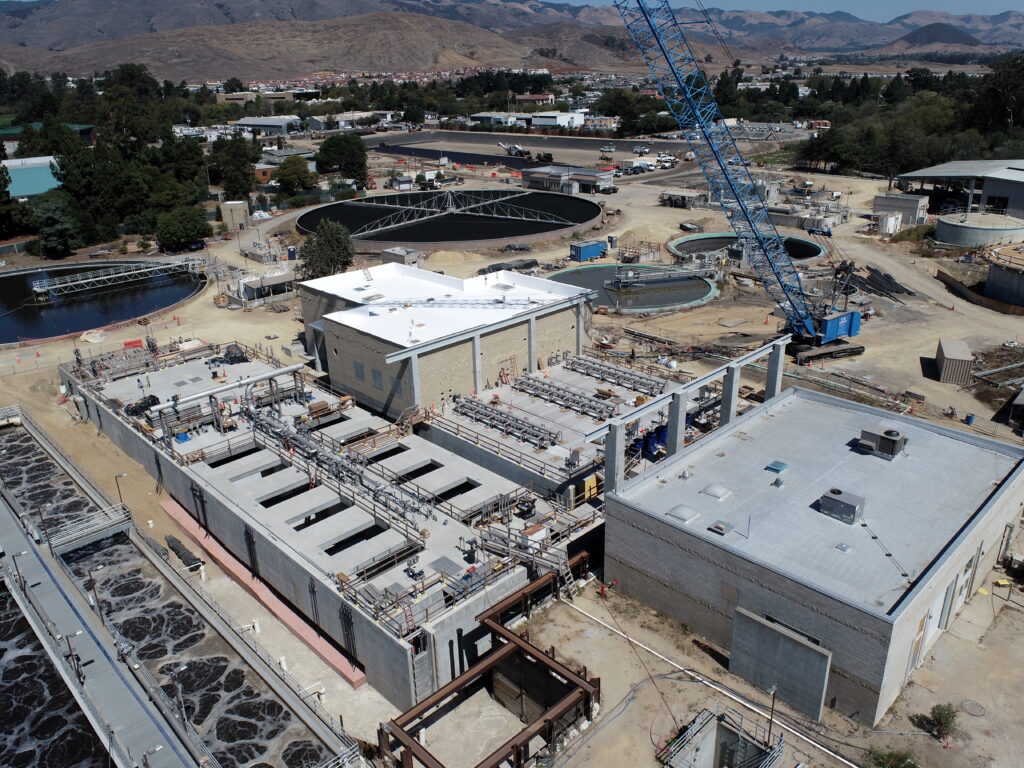
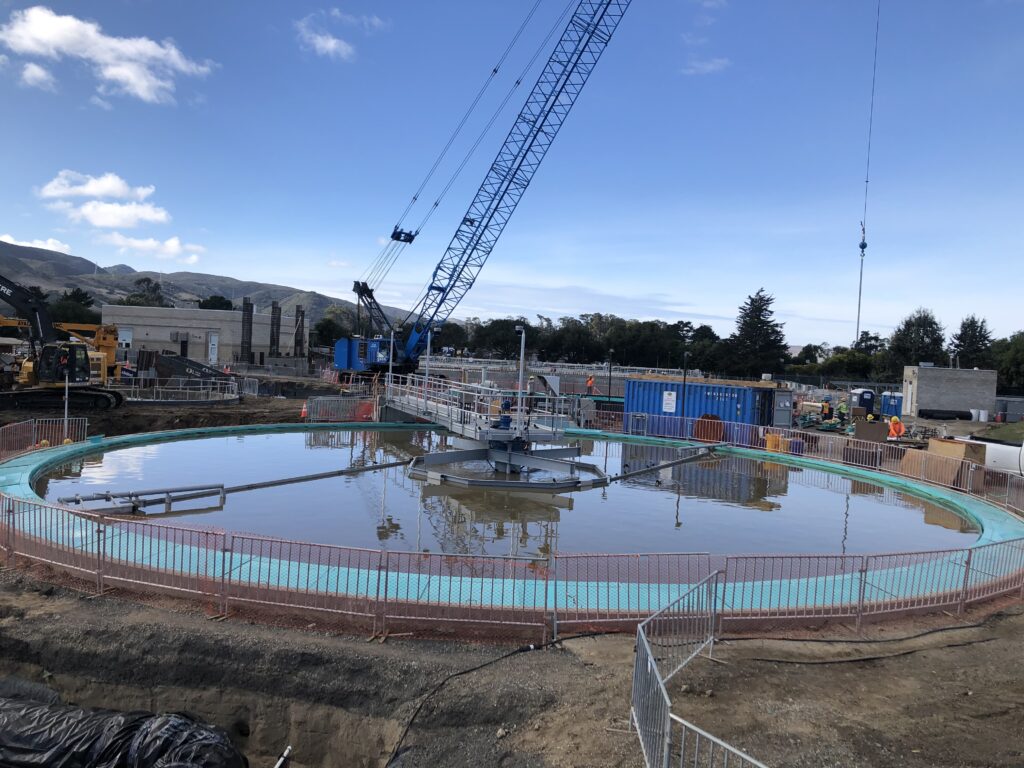
The SLOWater Plus Upgrade’s new bioreactor system is more robust and efficient, incorporating the former aeration basin as part of a modern biological process that removes ammonia and converts nitrates through advanced denitrification. The new system also uses ultrafiltration membrane technology, which filters out fine solids and microorganisms down to 0.01–0.1 microns size, producing exceptionally clean effluent. The high-quality effluent is transferred into the San Luis Obispo Creek, optimizing recycled water production to reduce potable water demands on non-potable uses, such as landscape irrigation and dust control.
Odor control was also expanded through a new facility-wide neutralization network, improving air quality for surrounding neighborhoods in San Luis Obispo.
The project strengthened the facility’s infrastructure by expanding the existing equalization basin to allow for up to 9.5 million gallons of storm flow equalization capacity. This expansion enhanced reliability during heavy rain events.
“With the implementation of modern treatment systems, the facility now uses 80% fewer chemicals than the old facility,” said McGrath.
Critical Collaboration
The $140 million project was founded on collaborative efforts between the city and the California State Water Resources Control Board.
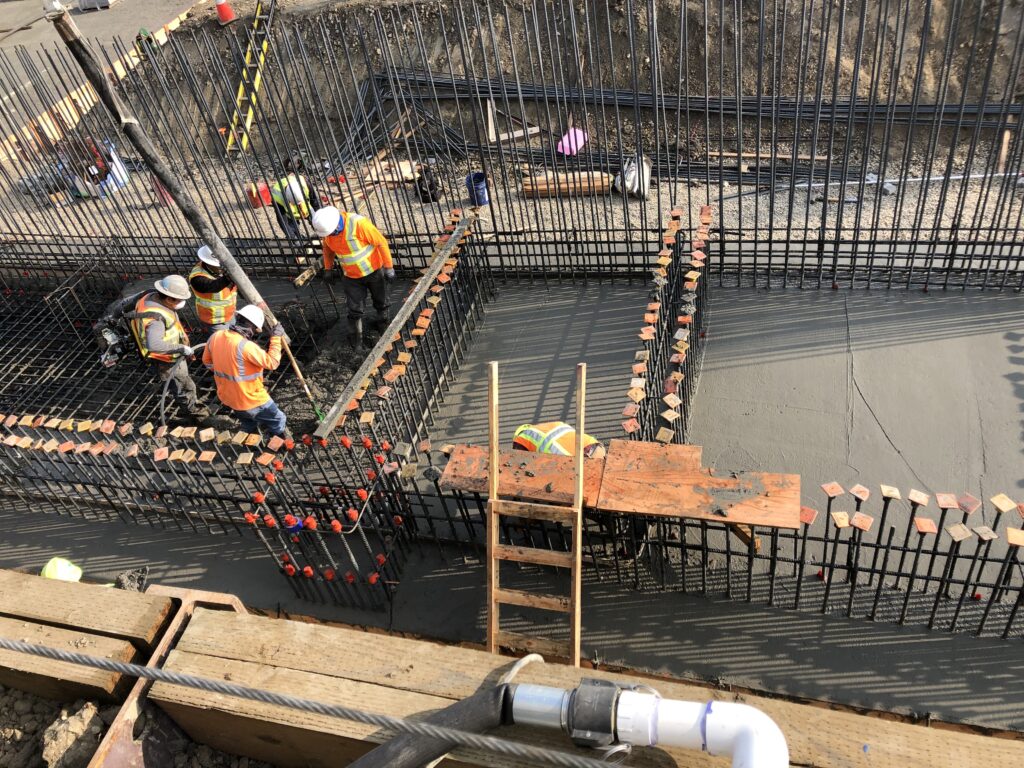
To navigate the complexities of the upgrade, the city partnered with Water Systems Consulting, Inc. for program management and engaged with Jacobs Engineering to lead the facility’s updated design. PCL Construction began work on the site in 2019, marking the start of a five-year-long build.
The primary challenges of the upgrade involved building a new facility on the footprint of an existing one, as the footprint had not seen change in 100 years. The oldest reused building on the updated facility is an odor control facility repurposed from a 1920s odor digester.
“With over a century of infrastructure in the ground and varying degrees of accuracy as built in over a dozen projects, building new systems around and through the site without interrupting service was a challenge,” said McGrath.
Solving this required a combination of technical expertise across all parties involved in the project. The upgrade saw over 300 tie-ins from both new and old facilities. Each one was carefully executed through a process McGarth called the “Maintenance of Plant Operation.”
Rooted in Community
The community expressed immense support for the project, not only for its tangible improvements to residents’ quality of life, but also because of its impact on the economy.
The project involved a community workforce agreement, which prioritized local labor and created multiple job opportunities. The agreement had a set goal to have 30% of the project’s workforce come from the nearby region. After the project’s completion, project labor surpassed that goal at 80%. Nearly half came from San Luis Obispo county, with the other percentages originating from northern and southern neighbors.
“In the process, more than 10,000 hours of apprentice training were completed on this site, helping to grow the next generation of skilled workers on the Central Coast,” said McGrath.
Photo Credit: Juanita Irate
By Taylor Moore. She is the Assistant Editor at American Infrastructure and can be reached at taylor@builder.media.
This is featured in the May/June issue of American Infrastructure. Read the print version here.
This story has been posted on Instagram, Facebook, X and LinkedIn.