How data center infrastructure affects water resources
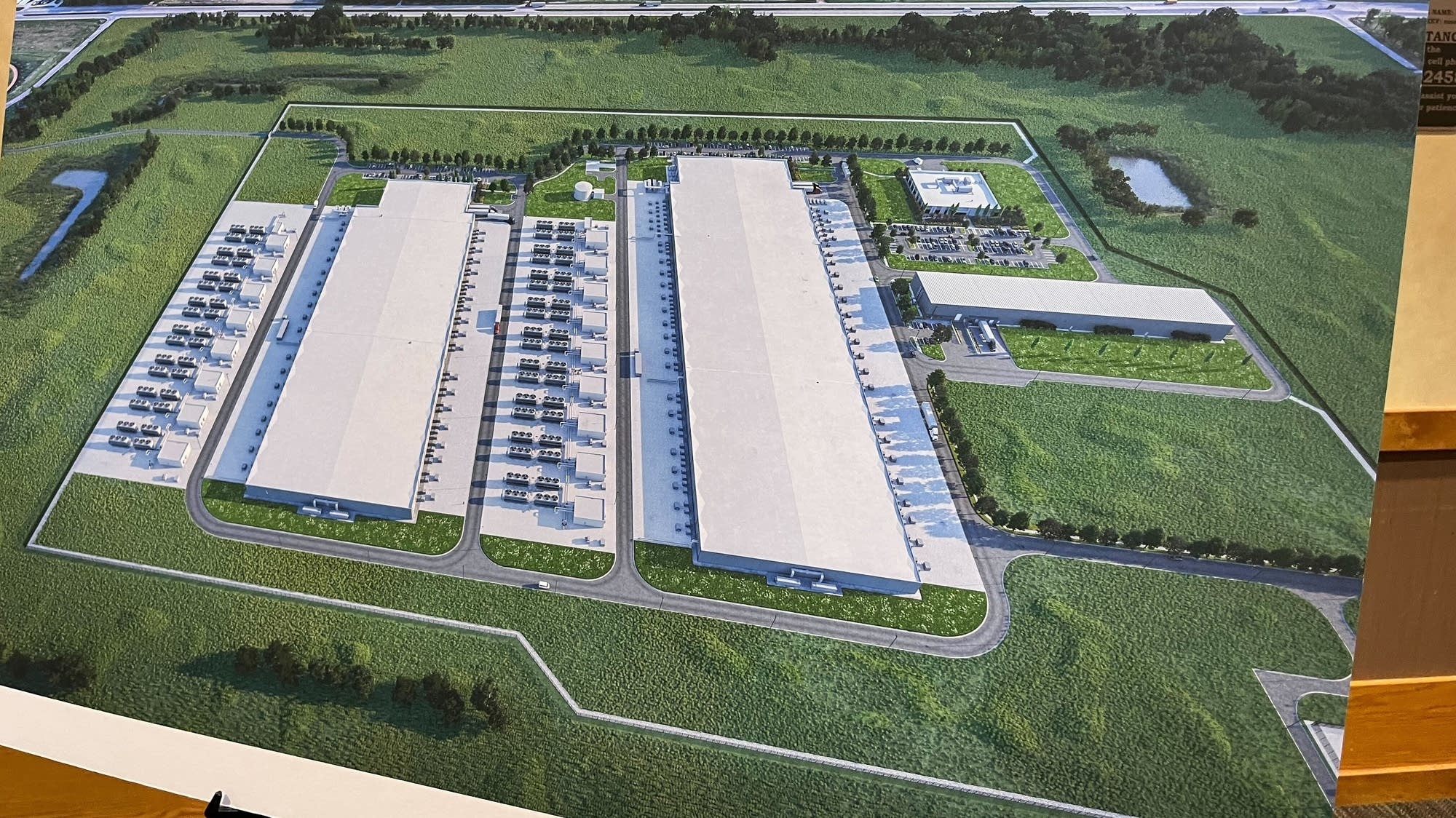
As the prevalence of Artificial Intelligence (AI) grows, the demand for infrastructure to support it follows. In November, Meta announced a $600 billion investment in AI data centers across the U.S. In Minnesota, one of the Meta centers is slated to open a data center in Rosemount in 2026. While some municipalities welcome this infrastructure with tax breaks in exchange for their construction jobs, technician jobs and boost to local property tax revenue, some environmentalists worry about their effect. The water used by data centers, which can be up to 5 million gallons per day, then needs to be discharged, either through private septic systems or municipal wastewater. These grassroot groups are concerned for the investment affecting local drinking and wastewater systems.
“With a public water system, that’s a key consideration. And it’s largely because these new large developments of all kinds including those involving new large volume water users really bear on maintaining or stewarding the public trust relative to delivering a product like drinking water,” said Steve Robertson from the Minnesota Department of Health. “Many people prioritize [drinking water] for their own public health protection.”
Due to this concern, the Environmental Quality Board in Minnesota may take action to adjust the state’s environmental review rules that the board oversees.