Building Resilience into Every Stage of Design
For decades, infrastructure has been viewed through the lens of efficiency, growth and connectivity. But as the effects of climate change intensify, as observed through natural disasters of greater duration and frequency, our definition of what makes infrastructure “strong” is shifting. Today, sustainability and resilience are the foundation of how we plan, design and build the infrastructure network that connects communities.
Climate change must be central to infrastructure planning. The patterns we once relied on for rainfall, temperature and storm intensity are changing rapidly. Designing infrastructure based on outdated data can lead to systems that are undersized, overburdened or prematurely obsolete.
When resilience is overlooked, communities face higher maintenance costs, increased safety risks and potential service disruptions during extreme events. Failing to adapt also means greater environmental degradation, as systems strained beyond their limits release pollutants, erode landscapes and compromise water quality. By contrast, when climate resilience is integrated from the start, infrastructure performs better, costs less over its lifecycle and provides long-term security for the people who depend on it.
The most crucial first step is understanding where the vulnerabilities lie. Municipalities should start with a climate vulnerability assessment to identify the assets most at risk, whether it’s a bridge in a floodplain or a stormwater system nearing capacity. Once those priorities are clear, communities can take manageable, incremental steps to integrate resilience into planning and design, factoring climate impacts into long-term goal setting and capital improvement plans.
Engaging stakeholders early, such as; planners, engineers, scientists, utilities and residents, is critical. Resilience is a shared responsibility and building consensus around the value of adaptation makes implementation smoother. Municipalities should also leverage available funding and technical assistance programs to build internal expertise. The goal is to create a foundation of understanding and momentum, even before major capital investments are made.
For cities just getting started, identifying priority sites, engaging residents early and aligning redevelopment with climate adaptation goals are practical first steps. Each project, whether a restored park, new housing development or flood-mitigation site, can serve as a visible symbol of environmental progress and resilience.
The amount of infrastructure funding available right now is a once-in-a-generation opportunity to address aging infrastructure and build smarter, more sustainably. With so much federal and state support on the table, communities can design infrastructure that’s built to last in a changing climate, while improving the quality of life for the people who rely on it.
We’re already seeing great examples of how that can work. The EPA’s Brownfields Redevelopment Grants, for instance, are helping cities turn neglected or contaminated properties into parks, affordable housing and business districts. In the first half of 2025, Montrose helped secure nearly $17 million worth of grants, reaching communities from Vermont to Alaska. What’s powerful about this model is that it cleans up old sites and breathes new life into them, bringing environmental health and economic vitality together.
Beyond Montrose’s work, programs like the Bipartisan Infrastructure Law and Inflation Reduction Act are channeling billions into climate-resilient transportation, renewable energy and clean water systems. The Federal Highway Administration’s PROTECT Program is helping states design roads and bridges that can withstand extreme weather, while FEMA’s Building Resilient Infrastructure and Communities (BRIC) program is funding projects that prevent damage before disasters strike.
When these funding streams are used thoughtfully, they can transform how communities grow. It’s about making every dollar count toward a future where infrastructure not only connects us, but also protects us.
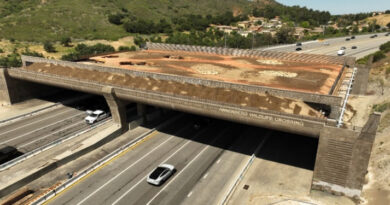
Montrose’s vision is for resilience to become the standard, not the exception. Over the next decade, the most forward-thinking communities will plan and build infrastructure that not only serves people but also strengthens the ecosystems that support them. We’ll see a shift toward hybrid systems that blend traditional engineering with nature-based or “green” solutions – projects that manage floods through restored wetlands, cool cities through urban forests and enhance mobility while improving air and water quality.
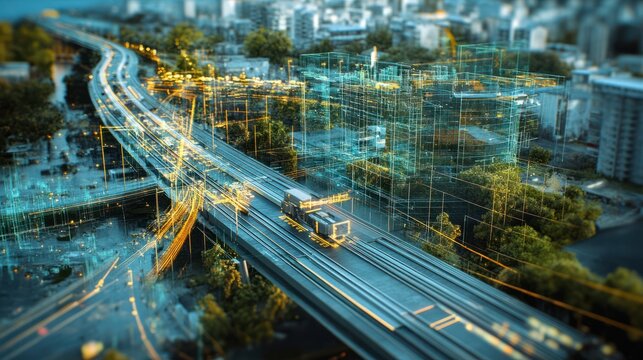
Technology will also play a major role, with digital twins, real-time sensors and predictive analytics helping us manage infrastructure adaptively. Beyond technology, success will depend on partnerships between the public and private sectors, together with communities, anchored in transparency and shared purpose.
Ultimately, balancing growth and resilience isn’t a zero-sum choice. It’s about designing infrastructure that makes communities safer, healthier and more sustainable for generations to come.
Kam Chan, P.Eng., Global Market Sector Leader at Montrose Environmental Group. He may be reached at kchan@montrose-environmental.com