AI Interview: Kareem Adeem
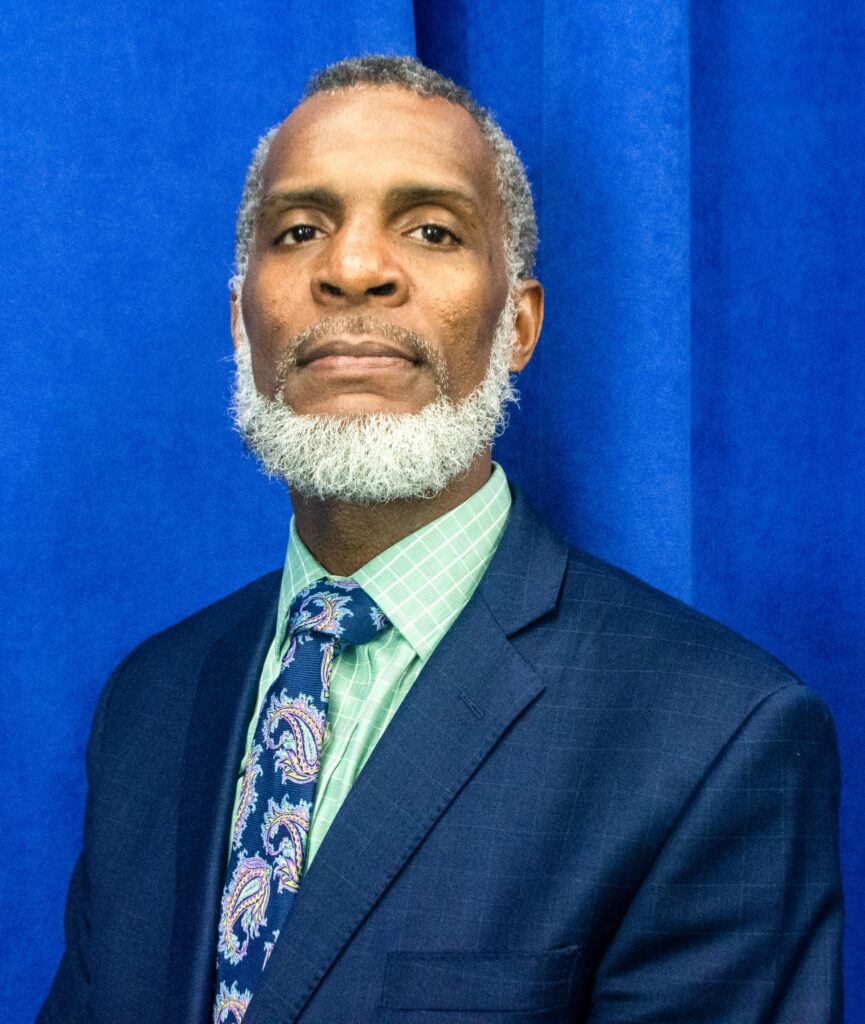
Kareem Adeem, Director of the City of Newark’s Department of Water & Sewer Utilities discusses how the City handles population growth and aging infrastructure
American Infrastructure: How do you balance long-term infrastructure planning with the immediate operational demands of serving your population?
Kareem Adeem: We have an ongoing 10-year capital improvement plan that we revisit every year, where we look at the strengths and potential weaknesses of our system, emerging technologies and potential funding sources. Built into the $3 billion target for capital improvement is money. We set aside for emergencies and immediate upgrades we can make based on new state-of-the art technology to continue our pledge to give our residents the best tasting and cleanest water possible.
AI: What goals do you have for the Newark Water & Sewer for the next year to five years?
KA: Right now, Newark is experiencing unprecedented development. Residential towers will change the skyline of the city for the first time in almost a century. As this happens, we are partnering with these developers to improve the water delivery, sewer and storm water infrastructure of the city. We are the third oldest major city in the country, so we are in a constant state of maintenance, repair and improving our invisible infrastructure.
AI: What are some of the recent projects in the works, recently finished or coming up that the Newark Water & Sewer is excited about?
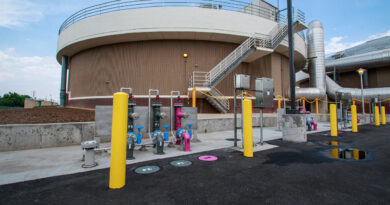
KA: One recently completed project is the $20.5 million upgrade of the City of Newark’s Pequannock Water Treatment Plant (PWTP). The plant, which provides clean drinking water to almost 400,000 residents in Newark and parts of surrounding cities and towns, now has the capacity to treat 60 million gallons of water per day after its largest upgrade since it was first built in 1989. The upgrades equip Newark to stay ahead of the curve and quickly adapt to emerging contaminants like PFAS.
An upcoming project is Newark’s green infrastructure program, also known as RainReady Newark. The project aims to improve stormwater management by implementing green infrastructure sites throughout the city. This includes the installation of porous pavements, rain gardens, subsurface detention systems and tree canopies.
AI: You began working with the Newark Water Department in the 1990s. What advice would you offer to other utility leaders navigating population growth and aging infrastructure?
KA: I didn’t start from the ground up. I started below the ground, and in those days we were still replacing water mains made of wood. I think it’s important for utility managers to not isolate themselves from the nuts and bolts of the system, to get into the trenches now and then. It’s educational and good for morale. My best advice is don’t kick the can down the road. Find funding and start projects. Don’t get bogged down in studies. If you have several emergencies along the same lines, replace it all. This can help you develop a systematic approach to infrastructure improvement, rather than just plugging holes.
AI:What makes you optimistic about the future of the water sector?
KA: Both the government and the public are starting to see that they can’t take clean water for granted. The government is beginning to take investment seriously. The Bipartisan Infrastructure Bill was a good start and states followed up by making investments. Our system used these funds to upgrade our water treatment plant and pipeline upgrades. The lead situation in Flint began the serious discussion of lead in the water and our efficient and quick replacement of all our lead lines proved it can be done, if you have the political will. We did it by making it mandatory and passed ordinances that allowed us to go onto private property, do we didn’t have to chase down LLC landlords. This allowed us to go block-by-block, street-by-street, like a organized construction march.
Anything else you’d like to share that we didn’t cover?
KA:Yes, it’s very important: investing in human infrastructure. We are across the street from the New Jersey Institute of Technology and recruit heavily from there. For high school students, we have the Newark Watershed Leadership Academy, where we give high school students a chance to learn about careers in the water sciences and all that goes into delivering pristine water to our customers. We hold regular community meetings about some of our green infrastructure initiative and engage the block organizations in programs like Adopt a Storm Drain to give them a role in reducing street flooding. Community buy-in and involvement is essential to our success.
 This interview is featured in the March / April issue of American Infrastructure, read the print version.