Public Works in Las Vegas Year in Review
The City of Las Vegas aspires to plan, design, build, operate and maintain our assets to enable safe and reliable access to services, school, work and a healthy environment for all. In 2025, that mission has been demonstrated in every corner of our city, from roadway reconstruction and safety enhancements to technology innovation and sustainability investments that are strengthening the foundation of our community. Our Department of Public Works, a team of more than 500 professionals across eight divisions, manages hundreds of projects totaling nearly $950 million in active capital investment. These projects span every public works discipline and they represent our city’s long-term commitment to maintaining essential infrastructure while planning for growth and resilience.
This year, Las Vegas advanced several key initiatives that directly align with our Vision Zero Action Plan, which seeks to eliminate all transportation fatalities and serious injuries by 2050. Our plan includes over 90 targeted actions guided by data, equity and community input. Projects such as the 7th Street and Charleston Boulevard Complete Streets conversions demonstrate how we’re transforming key corridors to better accommodate all modes of travel, improving safety, mobility, comfort and community identity. By reallocating right-of-way and modernizing streetscapes, we’re creating safer crossings, wider sidewalks and better lighting while ensuring accessibility for all users.
The City continues to deliver targeted improvements along our High Injury Network, where serious and fatal crashes are most concentrated. With support from nearly $9.7 million in USDOT Safe Streets and Roads for All (SS4A) grants, we’re enhancing pedestrian crossings, lighting and traffic operations in high-priority areas. Every project we build moves us closer to our Vision Zero goal, not only through design but through a shared culture of safety.
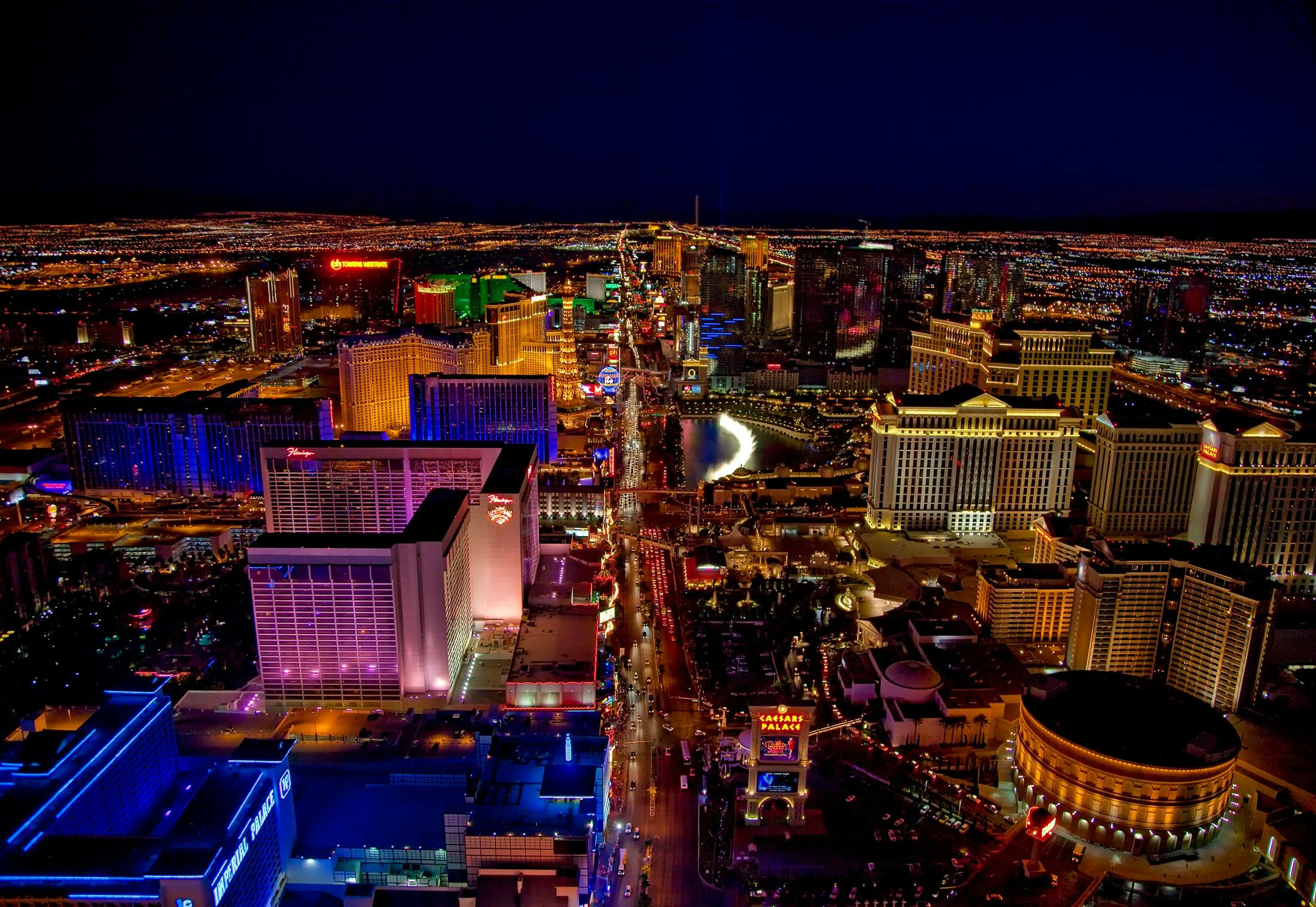
Through our $1.4 million USDOT Strengthening Mobility and Revolutionizing Transportation grant, we are deploying AI-powered pedestrian detection at intersections near the Fremont Street Experience, enabling adaptive signal control that responds to real-time conditions. Our Las Vegas XVP project is expanding citywide cloud-based signal prioritization for emergency and transit vehicles, improving travel time reliability and supporting the nonstop pace of our 24-hour city.
The City continues to take a “fix-it-first” approach to infrastructure, prioritizing the maintenance, modernization and coordination of existing systems before expansion. In 2025, this strategy proved critical amid rising construction costs and material delays. To make every dollar go further, we continue to integrate roadway safety, storm drain and sewer improvements into single, coordinated projects, minimizing disruptions and extending the life of our assets. Every project delivered is part of a larger commitment to reliability and service – one that residents rely on every day but often go unseen.
Las Vegas faces unique environmental challenges as one of the fastest-warming cities in the nation. Guided by our 2050 Master Plan, we are integrating resilience and sustainability into every project. Our Complete Streets designs now incorporate extensive shade trees, energy-efficient lighting and green infrastructure to reduce the urban heat island effect. This aligns with the City’s goal to plant 60,000 new trees citywide that are drought-tolerant, low-maintenance and climate resilient.
Our Water Pollution Control Facility, which treats 47 million gallons of wastewater daily, continues to exceed state and federal standards, ensuring safe return of water to the Las Vegas Wash and Lake Mead. These efforts not only protect public health but also help preserve the natural resources that sustain our desert community.
As we look to the future, maintaining federal investment in infrastructure remains vital. The City understands and is advocating for reauthorizing a surface transportation bill that meets or exceeds current Bipartisan Infrastructure Law funding levels. We also advocate for reforms that allow local governments to receive direct federal funding, streamline environmental reviews and ensure equitable user fees across vehicle types, all of which will improve efficiency and long-term sustainability.
Our policy priorities echo our local philosophy; focus on safety, maintain what we have and modernize for what’s next. Continued, predictable funding will allow cities like Las Vegas to plan proactively, deliver more efficiently and continue leading in innovation.
The progress made in 2025 shows what’s possible when vision, coordination and commitment come together. From major capital improvements to small but critical maintenance efforts that keep our systems running daily, we are building a city that works safely, sustainably and reliably.
As we move into 2026, our focus remains clear; maintain, modernize and prepare. With strong partnerships, innovative thinking and a shared dedication to service, we will continue to enhance the quality of life for all who live, work and visit Las Vegas – building not just infrastructure, but a resilient and connected community for the future.
 Joey Paskey is the Public Works Director for Las Vegas. She may be reached at jpaskey@lasvegasnevada.gov
This column was featured in our November/December issue of American Infrastructure, read more here