Sewage could turn wastewater into an energy source
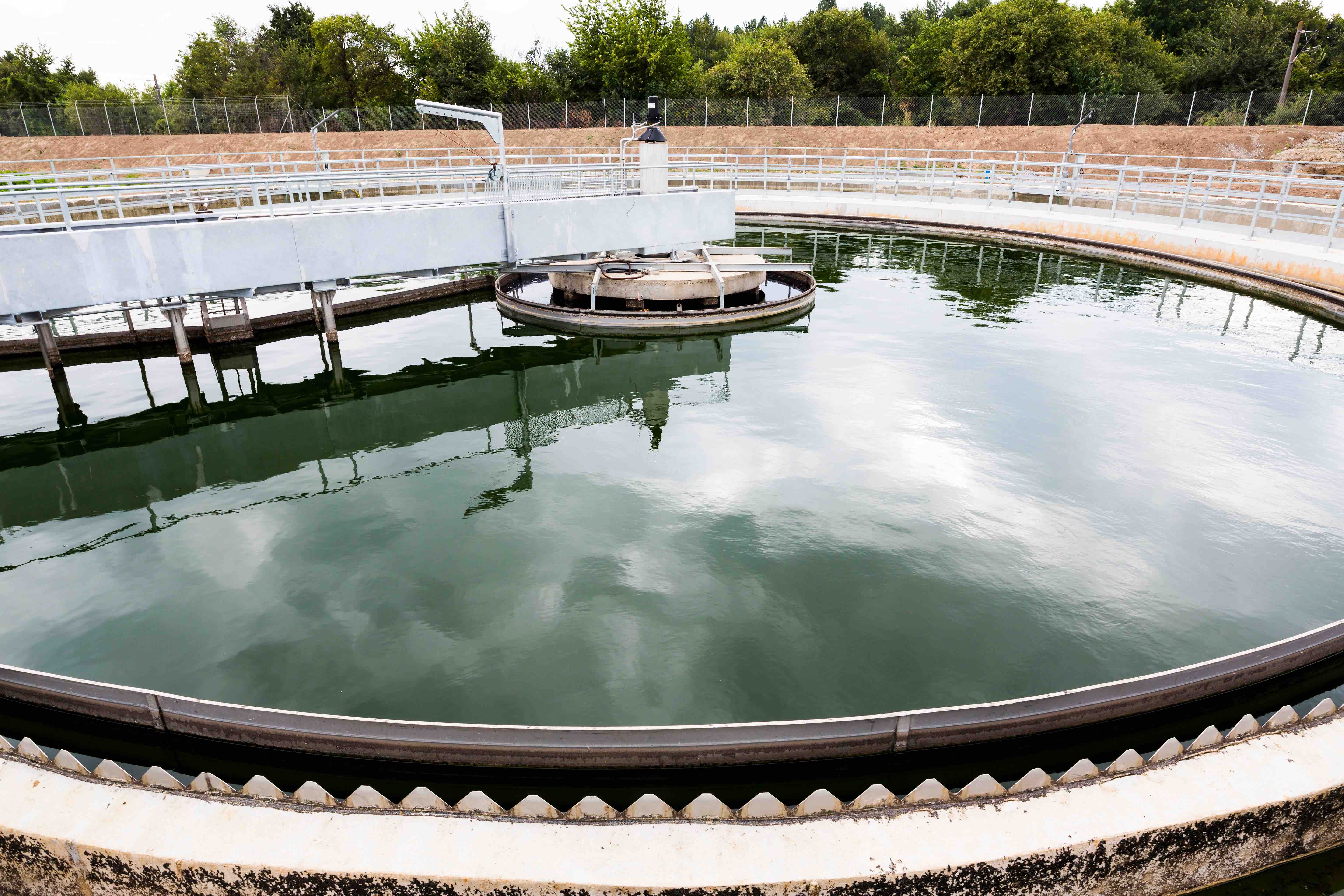
A redevelopment project in Denver transformed a construction challenge into a sustainable energy solution by tapping heat from wastewater flowing through large sewer pipes beneath the site. Instead of burying the pipes, which needed to release heat before reaching treatment plants, engineers designed a system that captures this energy to heat and cool much of the National Western Center. The wastewater’s stable year-round temperature makes it a dependable energy source, reducing reliance on traditional boilers and cooling systems except during extreme weather. Similar systems are already operating in several U.S. states and Canada, demonstrating that sewer heat can be both practical and cost-effective.
The approach works by transferring heat from wastewater to a clean-water loop through sealed heat exchangers, ensuring no contact between sewage and building systems. Electricity is only needed to run pumps, making the system far more efficient than conventional heating and cooling. The Denver site was especially well-suited because of its proximity to major sewer lines, a condition common in low-lying areas of many cities. Advocates say this existing infrastructure presents a major opportunity to cut energy costs and emissions, particularly for large buildings with centralized water systems and could unlock a significant, largely untapped source of clean energy nationwide.