Shifting water infrastructure decisions to local governments could benefit housing
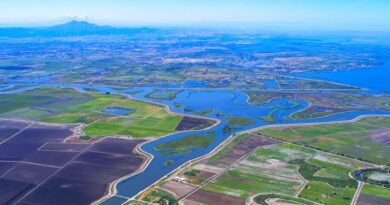
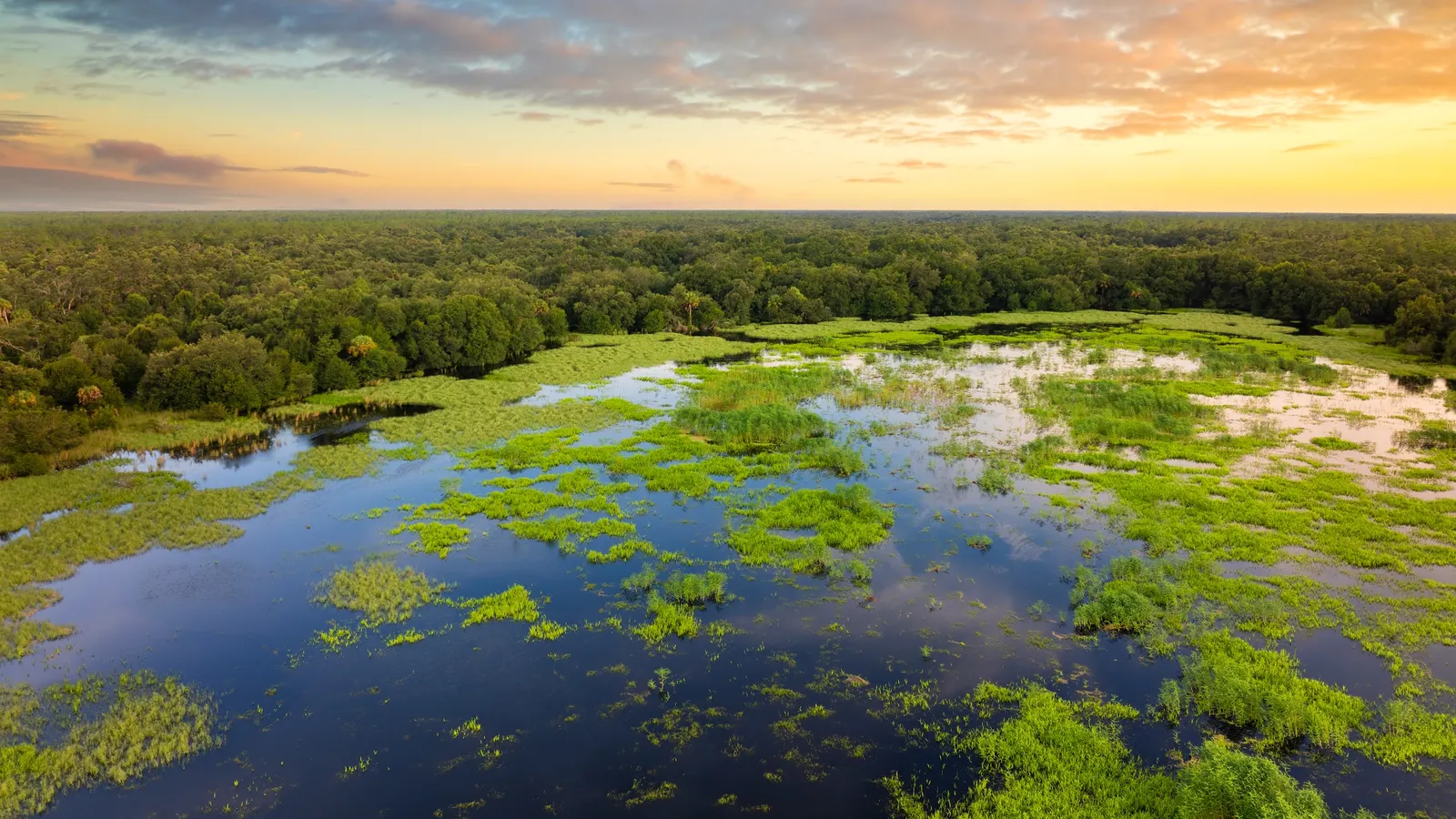
The EPA and U.S. Army Corps of Engineers have proposed a new definition of “waters of the United States” (WOTUS) that narrows which wetlands and tributaries fall under federal oversight, shifting more regulatory authority to states, tribes and local governments. The rule adds multiple exclusions—such as certain ditches, converted cropland, groundwater and interstate waters—and aligns with the Supreme Court’s 2023 Sackett decision limiting federal jurisdiction to relatively permanent waters and adjacent wetlands with a continuous surface connection. County officials and housing industry groups say the narrower definition provides long-needed clarity, reduces permitting delays and supports infrastructure and development projects.
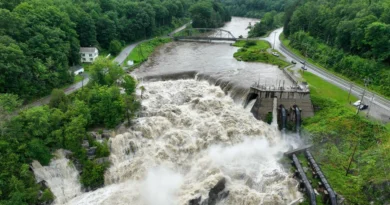
Environmental groups strongly oppose the proposal, arguing that limiting federal protection will accelerate wetland loss, weaken water quality safeguards and expose communities to greater flood risks as climate change intensifies extreme weather. They warn that developers may build in flood-prone areas under weaker rules. The EPA and Army Corps will gather public feedback through upcoming meetings, with comments open until Jan. 5, 2026.